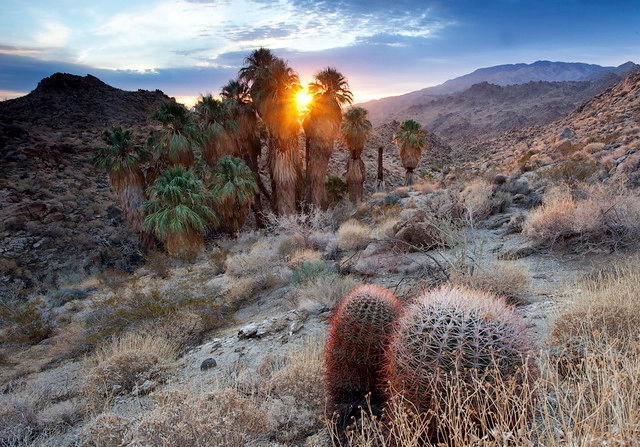
More than 650 acres of rugged desert land in upper Palm Canyon have been returned to the Agua Caliente Band of Cahuilla Indians, marking a significant step in a growing partnership between state conservation agencies, local nonprofits, and Indigenous leaders in the Coachella Valley.
The 656-acre parcel, located within the Santa Rosa and San Jacinto Mountains National Monument conservation area near Palm Springs, was formally transferred following approval by the Coachella Valley Mountains Conservancy board and coordination with Friends of the Desert Mountains and the State of California.
Tribal leaders say the transfer restores long-standing cultural and ecological stewardship responsibilities over ancestral lands that were never formally ceded.
“The return of these 656 acres in upper Palm Canyon is the restoration of responsibility,” said Reid D. Milanovich, chairman of the Agua Caliente Band of Cahuilla Indians. “Since time immemorial, our people have stewarded these mountains and waterways. Conservation is strongest when guided by Tribal leadership rooted in generations of ancestral stewardship.”
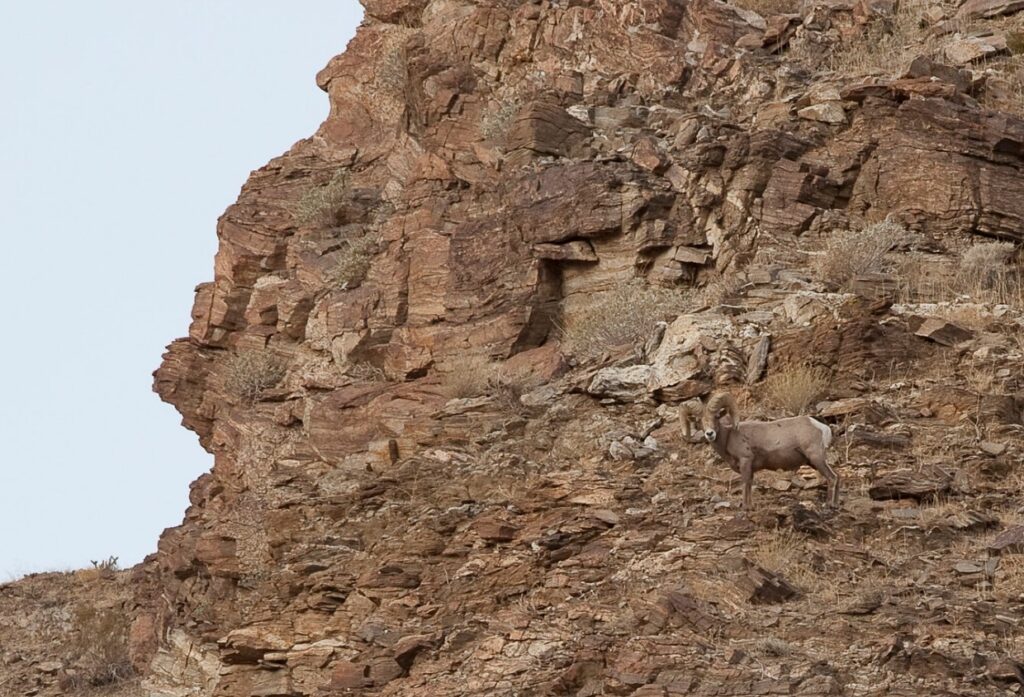
The property sits within the Palm Canyon watershed, an ecologically sensitive area known for dramatic desert landscapes, native palm oases, and critical wildlife habitat. Conservation officials say the parcel provides habitat for the Peninsular Ranges desert bighorn sheep and other protected species, while also helping replenish groundwater supplies that feed the aquifer beneath the Coachella Valley.
The land was originally conserved in 2018 with funding from the Coachella Valley Mountains Conservancy. Rather than keeping the land under state management, officials ultimately chose to transfer ownership to the tribe while maintaining long-term conservation protections.
Elizabeth M. King, executive director of the Conservancy, said the move reflects a broader shift in conservation strategy across California.
“CVMC is honored to partner with the Agua Caliente Band of Cahuilla Indians and Friends of the Desert Mountains to return land and demonstrate that Tribal land returns are good for conservation, the Valley, and our wildlife,” King said. “We could not think of a better steward for this parcel.”
Since 1991, the Conservancy has helped place more than 100,000 acres into conservation throughout the region.
The transfer is also part of a broader movement known as “Land Back,” which advocates returning ancestral lands to Indigenous communities that historically occupied and stewarded them.
With the Palm Canyon transfer, more than 1,200 acres of land have been returned to the Agua Caliente tribe through partnerships with conservation groups since 2024.
Friends of the Desert Mountains Executive Director Tammy Martin said the nonprofit views the return as an extension of its mission to protect desert landscapes while strengthening community ties to the land.
“We have done our best to conserve and protect this amazing resource,” Martin said. “It is a privilege to return these lands to the people who have stewarded them since time immemorial.”
State officials also note that the transfer supports California’s “30 by 30” conservation initiative, which aims to conserve 30 percent of the state’s lands and coastal waters by 2030. The program focuses on protecting biodiversity, addressing climate impacts, and expanding access to nature.
California Secretary for Natural Resources Wade Crowfoot said tribal partnerships are essential to achieving those goals.
“California Native American tribes have stewarded our most precious lands since time immemorial, including Palm Canyon in the Coachella Valley,” Crowfoot said in a statement. “This land return restores Tribal stewardship to this special place and reflects our commitment to state and tribal partnerships that help people and nature thrive together.”
For the Agua Caliente Band of Cahuilla Indians, the return represents more than conservation.
Tribal leaders say it strengthens sovereignty, preserves sacred sites, and protects culturally significant landscapes for future generations in the Coachella Valley.
Palm Canyon remains one of the region’s most visited natural areas, known for its towering California fan palms, steep desert cliffs, and cultural significance to the Cahuilla people, whose history in the region stretches back thousands of years.

Bob Marra is the CEO/Publisher of GPS Business Insider. He has been studying, writing and giving presentations about business, economic and public affairs news and issues and the local economy in the Greater Palm Springs/Coachella Valley region for more than 20 years.