A high-stakes dispute over the future of the Colorado River is intensifying, and leaders in California’s desert region say the outcome could directly affect the economic stability of agriculture, water supplies in the Coachella Valley, and the already-fragile environmental balance around the Salton Sea.
At the center of the debate is the Imperial Irrigation District (IID), the agency that controls the largest single allocation of Colorado River water. The district has submitted formal objections to the U.S. Bureau of Reclamation’s Draft Environmental Impact Statement (DEIS) for the Post-2026 Operational Guidelines and Strategies for Lake Powell and
Lake Mead. The DEIS was prepared pursuant to the National Environmental Policy Act (NEPA). When final guidelines are adopted, they will govern how the river will be managed after 2026, warning that some options under consideration could violate long-standing water law and shift water shortages onto Southern California’s agricultural economy.

Lake Mead and Lake Powell water levels are alarming for all involved.
The dispute comes as federal officials work to rewrite operating rules for Lake Mead and Lake Powell before current guidelines expire in 2026. The new framework will determine how water shortages are distributed across seven Western states during what scientists increasingly describe as a long-term structural decline in Colorado River flows.
For IID, which supplies water to one of the most productive agricultural regions in the United States, the consequences could reverberate far beyond the Imperial Valley.
“The Imperial Valley relies entirely on the Colorado River for its water supply,” IID Chairwoman Karin Eugenio said in comments submitted to federal regulators. Any future rules, she said, must recognize the legal protections governing the river as well as the real impacts on agriculture, communities and the environment.
A desert agricultural engine depends on the Colorado River
The Imperial Valley and the Eastern Coachella Valley are not just another irrigation district.
Combined, it is one of the most productive agricultural regions in the country, producing roughly two-thirds of the nation’s winter vegetables and generating billions of dollars in annual agricultural activity. The region’s farms rely almost entirely on Colorado River water delivered through IID’s canal system.
More than 470,000 acres of farmland are irrigated through IID infrastructure, supporting a multi-billion-dollar agricultural economy that drives employment throughout Imperial County and Eastern Coachella Valley and provides produce for grocery stores across North America during the winter months.

Local officials say disruptions to that water supply could ripple across the national food supply chain.
“California agriculture supplies a majority of the nation’s winter produce,” IID wrote in its comments to the U.S. Bureau of Reclamation, warning that federal proposals must consider the economic consequences of reduced deliveries to the region.
The economic footprint extends beyond the Imperial Valley. Packing, transportation, distribution and processing operations tied to the region’s vegetable production stretch across Southern California and the broader Southwest.
Why the Colorado River rules are changing
The Colorado River system, which supplies water to about 40 million people across the western United States and Mexico, is under growing stress.
The river was originally divided among seven states under the 1922 Colorado River Compact, a foundational agreement that created the framework now known as the “Law of the River.” That system established allocations and priority rights that determine who receives water first during shortages.
But the river has been producing significantly less water in recent decades than the agreements originally assumed. Prolonged drought, higher temperatures and declining snowpack in the Rocky Mountains have steadily reduced flows.
As a result, federal officials must establish new operating guidelines before the current rules expire in 2026.
Those rules will determine how shortages are allocated among the Upper Basin states – Colorado, Wyoming, Utah and New Mexico – and the Lower Basin states of California, Arizona and Nevada.
IID’s influence in Colorado River politics
Few agencies carry as much influence in those negotiations as the Imperial Irrigation District.
IID controls about 3.1 million acre-feet of Colorado River water annually, including approximately 2.6 million acre-feet of senior “present perfected rights” dating back to the early 1900s.
Those rights place IID at the top of the river’s legal priority system. In times of shortage, junior water users must reduce their usage before IID’s allocation can be reduced.
Because of that position, IID has historically played a decisive role in negotiations over Colorado River operations. Major agreements, including the Quantification Settlement Agreement and recent drought conservation programs, have required the district’s participation.
IID leaders say that legal framework cannot simply be ignored. “The Law of the River requires that shortages follow the priority system,” IID Director Alex Cardenas said in the district’s comments to federal regulators.
District officials argue that several alternatives analyzed in the federal environmental review would distribute shortages proportionally among states rather than according to the legal priority system.
If implemented, they warn, those proposals would almost certainly trigger litigation among the basin states.
A regional issue for the Coachella Valley
While the dispute is centered in the Imperial Valley, its implications extend north into the Coachella Valley.
The Coachella Valley Water District (CVWD), which supplies water to communities including La Quinta, Indio, Coachella and unicorporated Riverside County areas, also receives Colorado River water through the regional canal system.
Although the valley relies heavily on groundwater, imported Colorado River supplies help recharge aquifers and support long-term water reliability.
Changes in Colorado River operations could therefore affect water management strategies throughout the eastern Coachella Valley, particularly as population growth and development continue.
Regional planners also point to the broader economic ecosystem tied to Imperial Valley agriculture. The produce grown in the region moves through distribution networks that reach Riverside County logistics facilities, regional produce markets and national grocery supply chains.
Salton Sea concerns
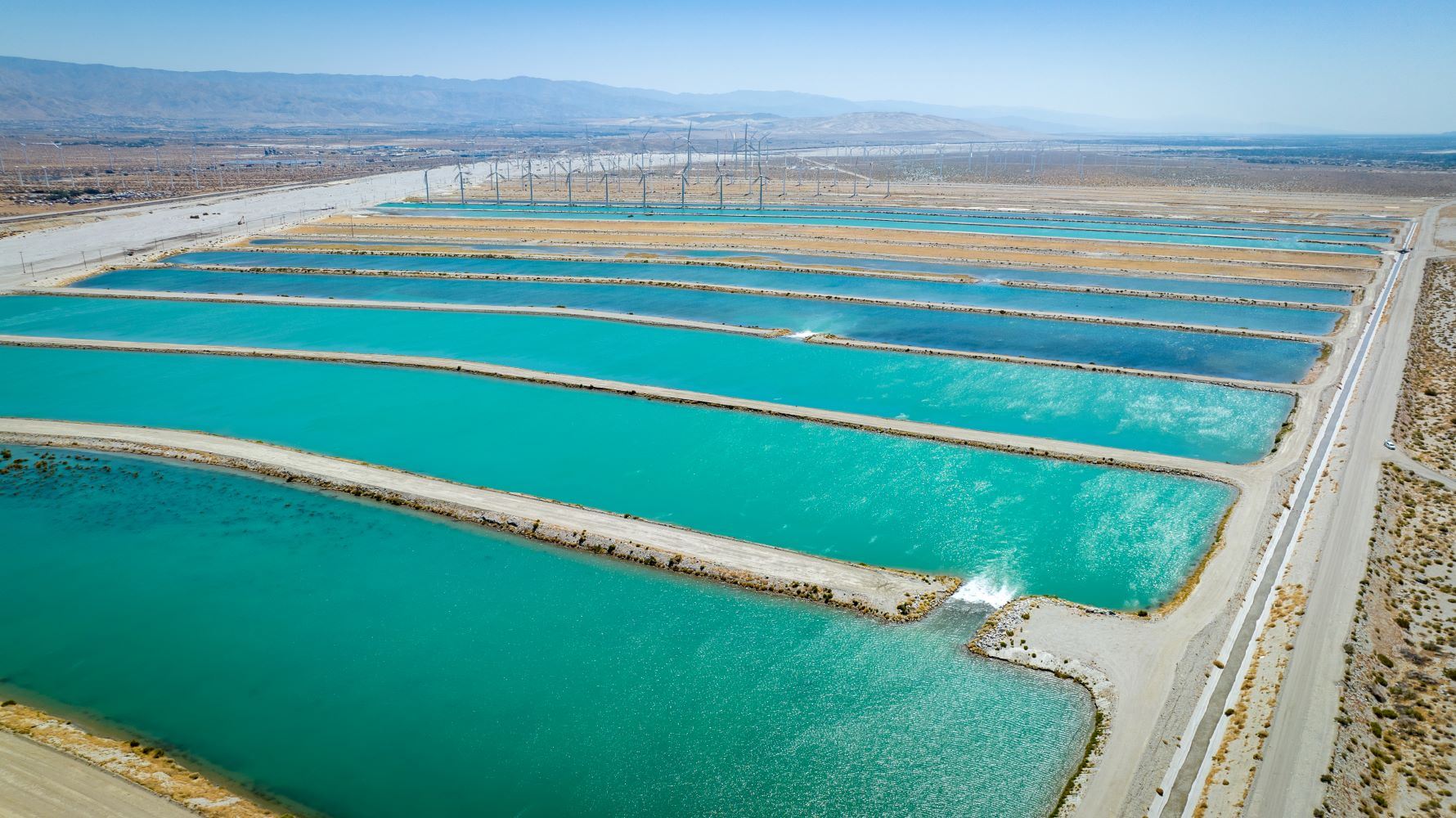
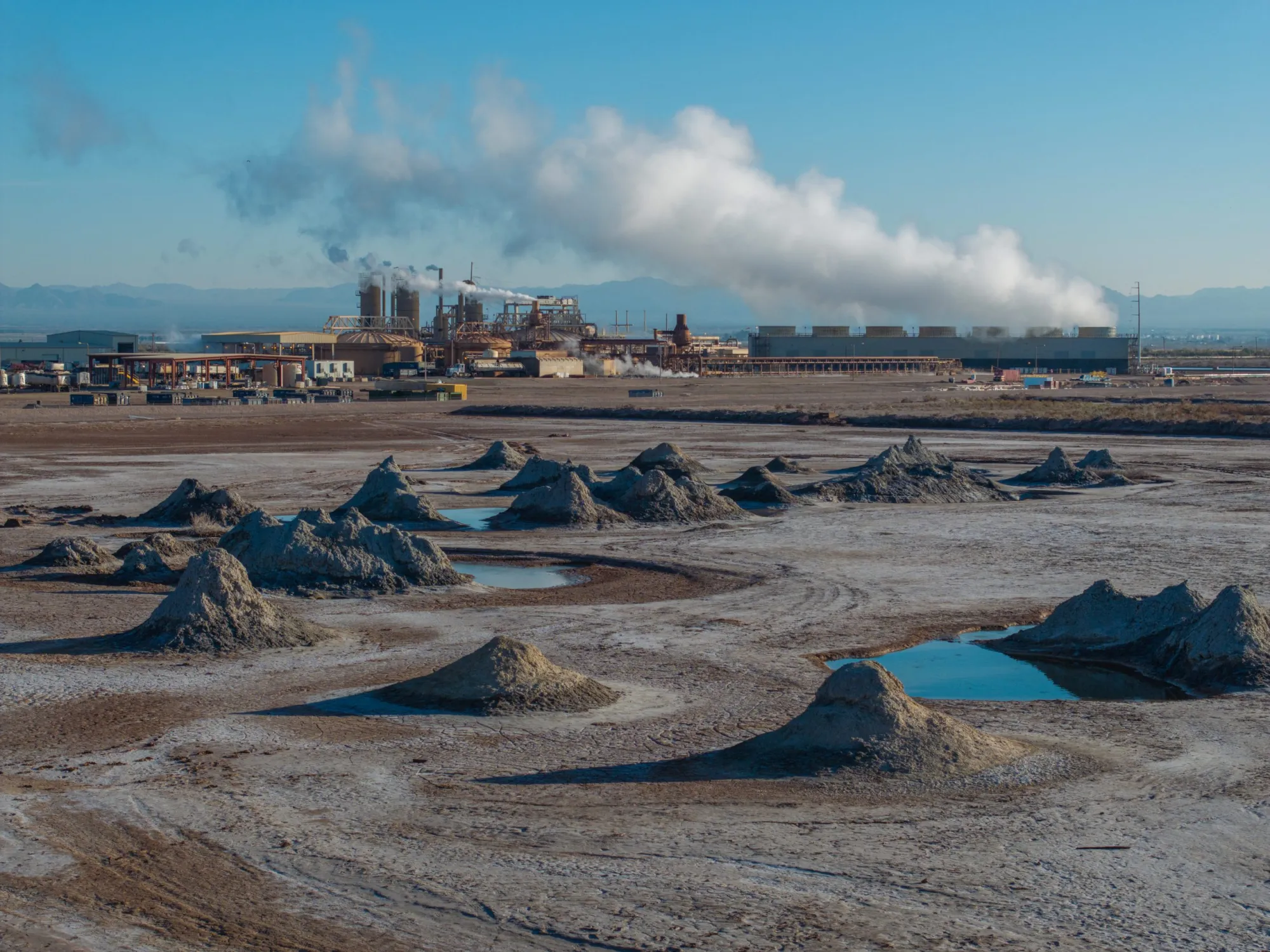
Another major issue raised by IID and California water officials involves the Salton Sea. Agricultural runoff from Imperial Valley farms flows into the inland lake, helping maintain water levels and limiting the exposure of dry lakebed that can generate airborne dust.
Federal proposals that significantly reduce agricultural water deliveries could accelerate the lake’s decline. IID and the Colorado River Board of California say the draft federal environmental review fails to adequately analyze those potential impacts.
The environmental review “excludes the Imperial Valley, Coachella Valley and Salton Sea regions” despite the likelihood that water reductions could affect the region’s air quality, ecosystems and public health, California officials wrote in their comments.
Dust emissions from exposed lakebed have already been linked to respiratory problems in surrounding communities.
Conservation and negotiations continue
Despite the sharp criticism of federal proposals, IID leaders say they remain committed to negotiating a basin-wide solution.
Imperial Valley farmers have already conserved more than 9.1 million acre-feet of Colorado River water through voluntary conservation programs since 2003, according to the district.
Meanwhile, the Lower Basin states have proposed reducing water use by approximately 1.5 million acre-feet annually as part of negotiations over the next operating framework. Those talks remain ongoing, with the federal government expected to finalize new guidelines before the end of 2026.
For the desert communities that depend on the river, the outcome will help determine the long-term future of agriculture, water supply reliability and environmental health across Southern California.
And as negotiations intensify, IID’s position – and its powerful senior water rights – are likely to remain at the center of one of the most consequential water policy debates in the American West.

Bob Marra is the CEO/Publisher of GPS Business Insider. He has been studying, writing and giving presentations about business, economic and public affairs news and issues and the local economy in the Greater Palm Springs/Coachella Valley region for more than 20 years.