After more than a year of bankruptcy proceedings, appeals, and last-minute legal challenges, the long-stalled SilverRock development reached a decisive milestone this month when ownership of a key portion of the site officially transferred to a new developer.
The breakthrough did not come from a groundbreaking ceremony or a construction schedule, but from a series of court rulings in Delaware that rejected repeated efforts to halt the sale while an appeal moved forward. Those decisions, city officials said, allowed the transaction to close and returned control of the site to locally approved development agreements.
Bankruptcy Set the Stage
The legal path began on August 5, 2024, when SilverRock Development Company and affiliated entities filed for Chapter 11 bankruptcy protection in the Delaware Bankruptcy Court. The filing placed the fate of 134 acres of partially improved and raw land associated with the former Talus project under federal court supervision.
Recognizing the stakes, the City of La Quinta retained specialized bankruptcy counsel to advise city leadership throughout the proceedings. The city’s goal, officials said, was to help move the property out of bankruptcy while preserving local land-use authority and allowing a viable new developer to step in.

A Court-Approved Sale
Central to that effort was a debtor sale motion seeking court approval to sell the property “free and clear” of monetary liens. Such a sale was widely viewed as essential if the project was ever to restart without being burdened by unresolved debts.
After three days of testimony, additional briefing, and argument, the bankruptcy court granted the sale motion in its entirety. The ruling authorized the transfer of the land to Turnbridge Equities, a New York-based real estate investment firm that had emerged as the court-approved buyer.
City Prepared for a Rapid Closing
While the bankruptcy court considered the sale, the City of La Quinta moved in parallel to avoid further delay. The city held public hearings and approved a package of governing documents with Turnbridge, including a reinstated and amended development agreement.
City officials said that work was intentionally timed so that, if the court approved the sale, escrow could close quickly without months of additional local approvals.
Appeal and Attempts to Halt the Deal
Despite the court’s approval, the sale was immediately challenged by a creditor, Construction Loan Services, also known as Builders Capital. The creditor appealed the sale order and sought a stay to prevent the transaction from closing while the appeal was pending.
A stay would have effectively frozen the project, potentially for months or longer.
The bankruptcy court denied the stay request, citing, among other factors, the public interest in allowing the sale to proceed given the extensive time and investment already made by the parties, including the city.
Builders Capital then sought an emergency stay from the U.S. District Court in Delaware, the next level in the federal appellate process.
The December 5 Turning Point
The emergency stay request was denied on December 5, 2025.
The district court’s decision proved pivotal. Without a stay in place at either the bankruptcy or district court level, there was no longer a legal barrier to closing the sale.
Four days later, on December 9, escrow closed. Turnbridge officially took ownership of the former Talus property.
What Changed After Closing
As part of the transaction, the City of La Quinta’s debtor-in-possession financing loan was repaid, and the reinstated and amended development agreement, along with related land-use covenants, took effect again. Control of the site shifted from bankruptcy oversight back to the city-approved regulatory framework.
City officials described the closing as a major step forward after years of uncertainty, but emphasized that it does not end all legal proceedings related to the bankruptcy.
Appeal Still Pending
Builders Capital’s appeal of the sale order remains active and will likely continue through briefing into late 2025 and early 2026. City officials noted that the denial of the stay requests mattered as much as the sale approval itself. Without those rulings, the project could have remained in limbo despite having a buyer and city approvals in place.
A Larger Site, Future Phases
Councilmembers also noted that the transaction covers roughly 134 acres within a broader SilverRock area of about 525 acres. Additional land, often referred to as a future “phase two,” remains part of a longer-term plan tied to development milestones.
Even with ownership resolved, city staff cautioned that there is still a process ahead before residents see visible construction activity. The city expects to receive an update from Turnbridge in January or February 2026 outlining their next steps.
A Legal Milestone, Not the Finish Line
For now, the December court rulings stand as a turning point. By denying repeated attempts to freeze the sale, the Delaware courts allowed the bankruptcy process to reach a concrete outcome: a closed escrow, a new owner, and local agreements back in force.
SilverRock’s future is no longer trapped by procedural delay. Whether the project ultimately delivers on its long-promised vision will depend on execution over the coming months and years. Still, city officials say the legal groundwork to move forward is now in place.
The New Development Plan
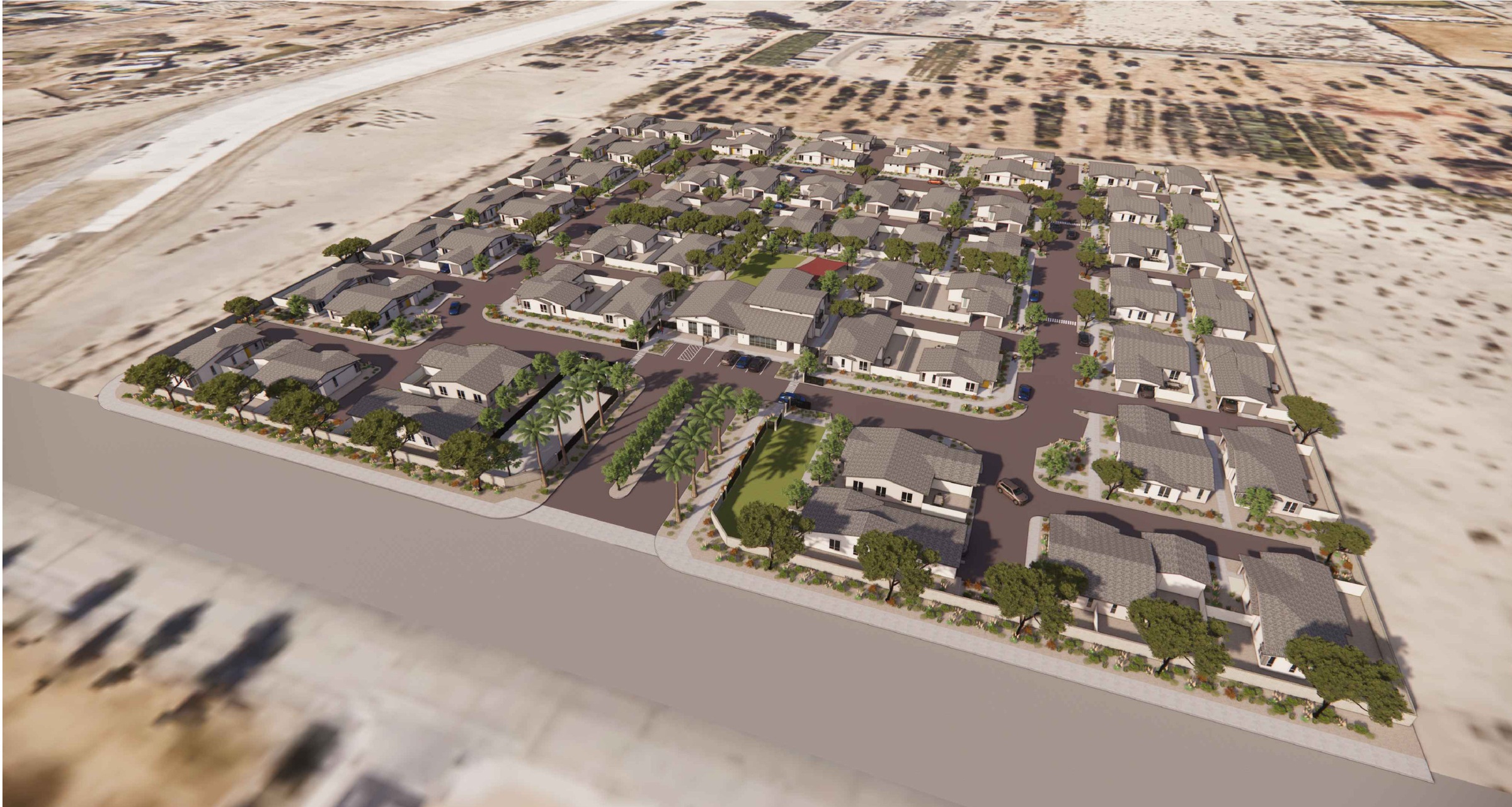
A conditionally approved and amended development agreement with Turnbridge positions the firm to take over the first phase of the SilverRock site and reshape it around one luxury hotel (154 rooms); a 55,000-square-foot banquet/shared-use building; 445 homes (including 29 branded residences, 70 condos and 293 homes with potential short-term rental use that would generate transient occupancy tax); 40,000 square feet of commercial space; a new 17,000-square-foot public golf clubhouse relocated near Avenue 52; and a 20,000-square-foot residential amenities building.
Approximately $8.5 million in transient occupancy tax (TOT) revenue from hotels and short-term rentals is projected, excluding sales and property taxes. Financial terms with the city include a 15-year TOT-sharing program projected to generate $106.6 million; an option price of $17 million for Phase 2 land; and a net revenue projection of $301.9 million to the city over 30 years, as outlined in the economic development report tied to the agreement.