Palm Springs has adopted a new “Economic Development Strategic Framework,” a sweeping but streamlined blueprint aimed at strengthening city systems, improving the business climate and expanding the city’s economy without losing sight of tourism, the city’s most important industry.
The document grew out of months of data analysis, stakeholder interviews and resident surveys conducted by consultants Adam Fowler and Uday Ram of CVL Economics, who opened a special study session meeting of the city council with a call for Palm Springs to shape its future rather than react to it.
“Economic development is the work of shaping the local economy,” Fowler told the council. “If we do nothing, we will get change regardless. What we must decide is how we shape that change.”
Grounded in data, and in what residents say they want
Fowler opened the public presentation by asking a basic question: what makes a city prosperous?
A city thrives, he said, when people who live, work and invest there “can see a future there,” when housing is affordable, services and infrastructure are reliable, public spaces are engaging, and there is a sense of belonging and shared identity. For the business community, that prosperity looks like transparent rules, access to talent, supportive networks and the confidence that investment will be welcomed.
In Palm Springs, his team spent months combing through 20 years of data, reviewing existing plans ranging from the general plan to airport and convention center studies, and talking with residents and local businesses. They wanted to understand what people love about the city and what keeps them up at night.
“What do Palm Springs residents want?” Fowler asked, then answered his own question. “People love this city. You have so many things I would call wind in your sails. People want to invest and make it better.” Residents told the consultants they cared deeply about the public realm, better services and a stronger sense of connection.
In a survey of 582 residents, 87 percent highlighted the need for more shade in shopping and commercial corridors. Eighty-four percent pointed to affordable housing as a priority upstream issue that affects everything from entrepreneurship to workforce programs. Respondents also called out healthcare access, broadband reliability, better lighting, social services and public transportation.
On the business side, the picture was more complicated. Nearly half of the surveyed businesses said local regulations posed challenges. Sixty-eight percent reported trouble navigating permitting and licensing, and a third had at some point considered closing. Fowler reminded the council that Palm Springs is not a city of large conglomerates, but of small and mid-sized firms. “This is not some nameless, faceless corporation,” he said, noting that almost everyone operating under the city’s business licenses is essentially a small business.
A framework, not a wish list
After Fowler sat down, his colleague Uday Ram took over.

Adam Fowler (left) and Uday Ram of CVL Economics present the Economic Development Strategic Framework they prepared for the city.
“We can love Palm Springs and admit that there is work to do,” he said. “What we have to decide is how we shape inevitable changes that will come, whether you act with intention or not.”
To make that decision, Ram said, the city needed a shared framework, not a one-off plan that gets dusted off every few years.
“This is not a wish list of every single project we want to do over the next ten years,” he told the council. “This is not something rigid. This is a living document.” Economic development, he added, does not live in a single department; it is a “shared responsibility” that touches every corner of city government, from planning to public works to the council itself and the private sector.
The framework organizes Palm Springs’ challenges into five major problem areas and links each to a set of actions and metrics. The first principle focuses on internal capacity: system, process, and technology audits; a review of the municipal code; upgrades to digital permitting and tracking; and, eventually, a public data dashboard that lets residents see how the economy is doing and holds the city accountable. The aim, Ram said, is to allow any resident or entrepreneur to open a business through a “transparent process” without being left scratching their head about why something is taking so long.
The second principle flips that lens outward and tackles the business climate, which he described as fragmented and increasingly outcompeted by other cities. Here, the framework envisions fair and consistent regulations, a clearer incentive toolbox, new district designations with tailored guidelines, summer nightlife zones, pre-approved permit packages and expanded technical assistance for small businesses. Palm Springs, he said, has to remain “not just a world-class destination but a great place to do business.”
The third principle confronts the city’s dependence on tourism. Ram did not suggest walking away from that anchor. Instead, he framed tourism as the platform for diversification. Medical tourism could be more intentionally cultivated. Climate innovation could be showcased to visitors from other hot-weather destinations. Creative industries and technology workers, many of whom already live in Palm Springs or visit regularly, could be linked more deliberately to the visitor economy. The plan calls for leveraging the airport expansion, exploring a foreign trade zone, and building accelerators that help local companies grow from seed to operation.
A fourth principle looks further ahead at nurturing clusters in health and wellness, climate innovation and the broader creative economy, so that a child who grows up in Palm Springs can attend local schools, go to College of the Desert and find a career that allows them to stay, raise a family and retire in the same city. Palm Springs, Ram argued, has the potential not only to be a destination but also a global innovation hub for hot-weather tourism, something cities in the Middle East and Mediterranean are also struggling to figure out.
A final principle knits these economic ambitions back into quality of life: the shaded streets and safe neighborhoods residents asked for, the housing options that enable workers to live in the city, and the public realm that makes the city feel like “no place else.”
The city is “not abandoning tourism”
If the consultants were intent on diversification, Councilmember Jeffrey Bernstein was just as intent on ensuring residents did not misread it as a retreat.
At the meeting, Bernstein acknowledged press coverage and social media chatter suggesting the city might be turning away from its main industry. “That cannot be further from the truth,” he said. “Our two biggest projects in the city are the major expansions of the airport and the convention center.” Those investments, he pointed out, run into the billions over the coming decades and place tourism squarely at the center of the city’s long-term strategy.

Jeffrey Bernstein, City of Palm Springs City Council Member.
In a later interview, Bernstein expanded on that point. Transit occupancy tax, or TOT, makes up roughly a quarter of the city’s general fund, largely because hotels and vacation rentals remit such a high share of their revenue to the city. Food and beverage businesses likely represent an even bigger slice of the real economy, he said, but they pay a much smaller portion of their sales in direct local tax. “We have to look at how it all ties together,” he argued. Lawyers, doctors and all kinds of professionals are here “because we have lots of businesses” that serve both residents and visitors.
For Bernstein, the real story is not tourism versus diversification. It is about recognizing that healthcare, technology, arts and culture, clean energy and education all feed the visitor economy while also anchoring year-round jobs.
He cited Desert Regional Medical Center, Eisenhower Health facilities in the city, and DAP Health’s growing presence as evidence that healthcare has already become a major employer. “Healthcare is not an emerging business,” he said. “It is here and just needs a little city focus.”
He said the same about arts and culture. Palm Springs has been an arts town for a century, from early art colonies through the Plaza Theatre’s heyday and into Modernism Week, music festivals, major Pride events and the film festival circuit. Over the past decade, he noted, a wide ecosystem of festivals, symphonies, chorale groups, theater companies, and galleries has quietly grown. “They are all here,” he said, “we just have not really treated it as an industry economic driver. We have treated it as either a tourism event or a local community event.”
The Plaza Theatre renovation, he argued, is a case study in why that mindset should change. While critics have grumbled about the price tag, Bernstein points out that it was a 34-million-dollar project, roughly 70 percent privately funded. It addressed decades of deferred maintenance, from air conditioning to accessibility upgrades. Now, he said, the calendar is filling up, restaurants around the theater are packed on show nights, and nearby hotels such as The Saguaro are seeing new demand from performers and production crews. “We are a city where people come for something,” Bernstein said. “Creating things to do is what drives tourism.”
When residents question whether the framework is just a reaction to overspending, Bernstein bristles. He argues that the city’s investments in downtown hotels and amenities helped lift TOT from far below current levels to more than $50 million a year, with local sales tax revenues from Measure J also soaring. Those revenues, he said, allowed the city to pave more streets, pay down pension liabilities, set a minimum general fund balance and dedicate a share of TOT to affordable housing so that workers can actually live near their jobs.
What excites him most about the framework is its explicit focus on technology and education. He points to College of the Desert’s renewed commitment to a tech-oriented campus in Palm Springs and sees an opportunity to build local pathways into high-wage fields. “After 20 years, we have finally hit a perfect storm that can make this happen,” he said. Tech conferences already find their way to Palm Springs; one global firm quietly booked twenty mostly boutique hotels for a gathering last spring. “The talent is here,” Bernstein said. “The framework gives us a way to nurture it.”
Follow through matters
Councilmember David Ready, who served as the Palm Springs city manager for roughly 20 years, has seen several similar plans come and go, calling the framework promising but warning that the city will need both organizational and psychological capacity to turn its ambitions into action.
“This is about the fourth or fifth one we have done,” he said. “They can work. But the question is: does it sit on the shelf or does it get actionable?”

David Ready, Palm Springs City Council Member.
In a separate interview, Ready lamented the findings in the framework report, which noted what appear to be noticeable differences in city processes compared to the past – especially in permitting. “It looks like it’s gotten harder to do things at the city concerning permitting,” he said.
He also raised concerns about whether the city will be able to “meaningfully incentivize the businesses” it seeks to help to enhance and diversify the city’s business base, given upcoming budget strains, including the multimillion-dollar annual cost of the recently opened homeless navigation center once state and county support ends. Without long-term funding, he warned, the city will struggle to sustain both services and economic development programs.
Still, Ready supports moving forward. Past plans led to some excellent outcomes, including sparking the redevelopment and expansion of high-end car dealerships on East Palm Canyon, he noted, proving that focused efforts can reshape the city’s economic landscape.
What Comes Next
The council voted to adopt the framework and its priorities. Next steps include establishing a standing public venue for ongoing progress updates, prioritizing more than 100 recommended actions, and deciding which responsibilities fall to city staff, outside partners, or new collaborations with business and education leaders.
Fowler encouraged Palm Springs to see the plan as a foundation, not a finish line. “To get all the things residents want, we need fiscal revenues,” Ram added. “That is going to happen through responsible growth, not by keeping our fingers crossed for a milder summer next year.”
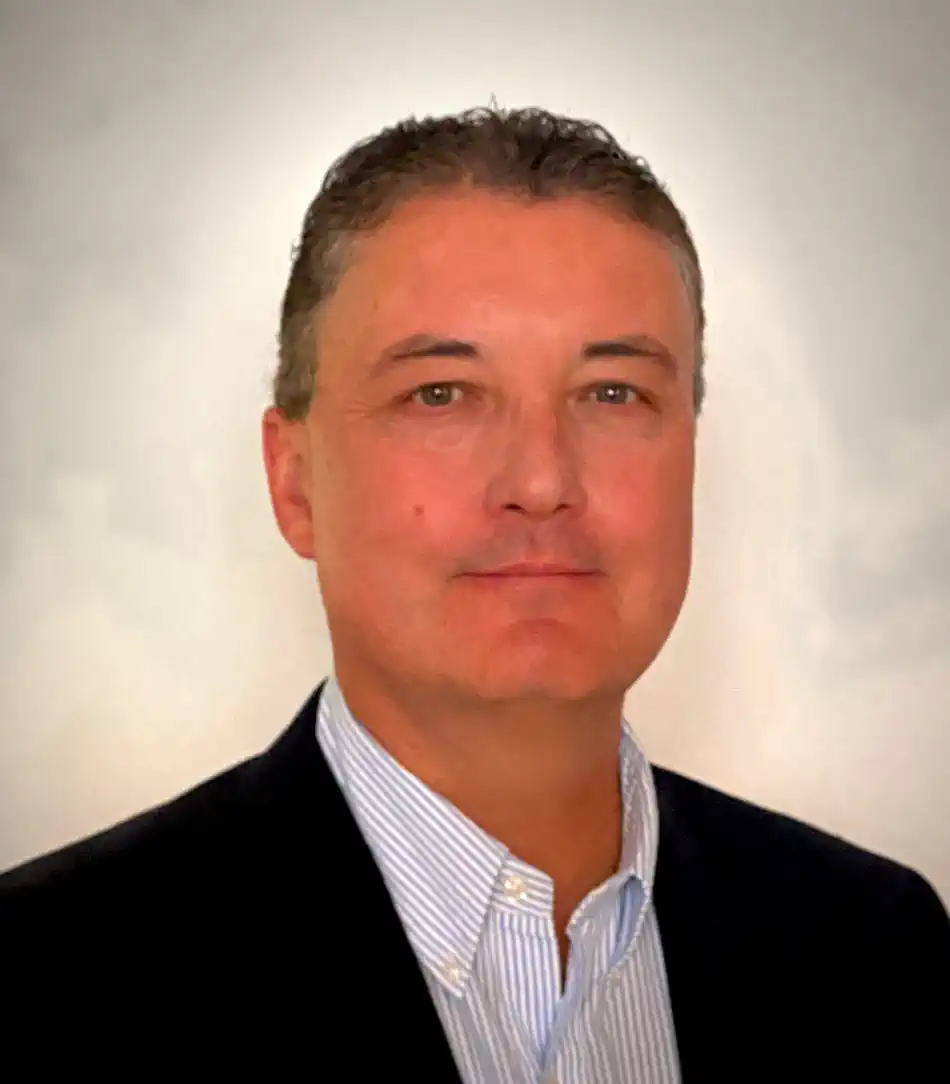
Bob Marra is the CEO/Publisher of GPS Business Insider. He has been studying, writing and giving presentations about business, economic and public affairs news and issues and the local economy in the Greater Palm Springs/Coachella Valley region for more than 20 years.