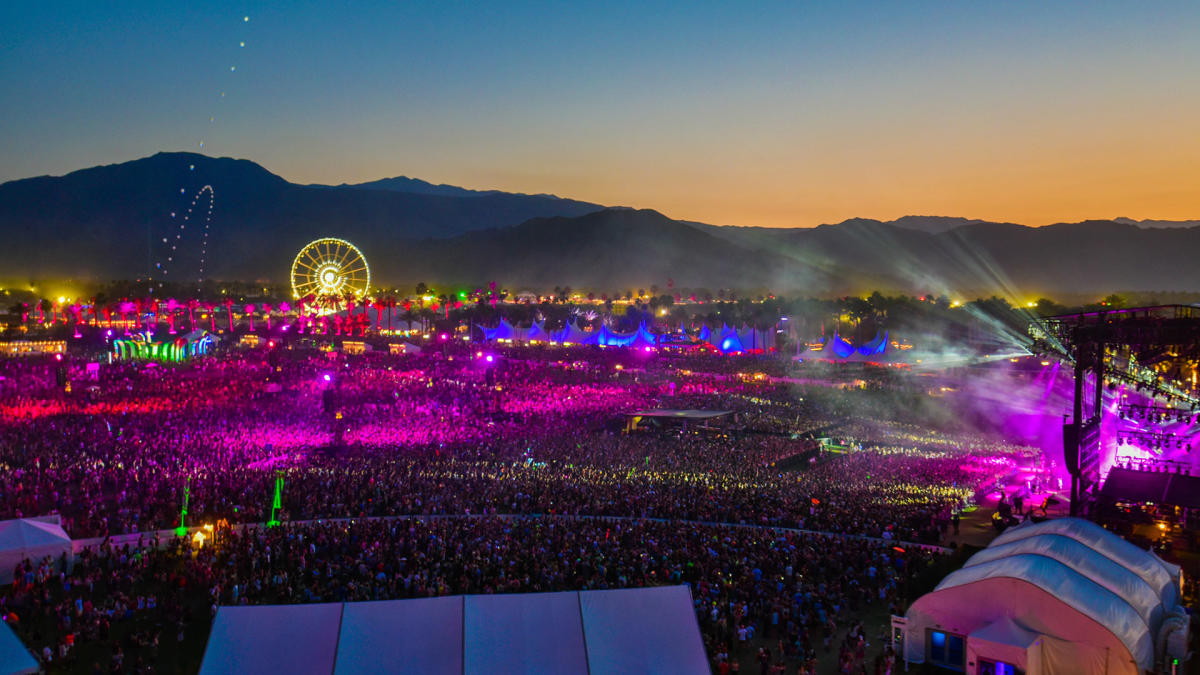
The Coachella Valley Music and Arts Festival (Coachella) has long been one of the Coachella Valley’s biggest cultural exports. In 2026, it is also one of YouTube’s most visible technology demonstrations.
As the festival opens Friday, April 10, at the Empire Polo Club for its 25th edition, YouTube is rolling out its most expansive Coachella livestream yet, with seven simultaneous stage feeds, first-time 4K streaming on three major stages, a multiview option for televisions, creator watch-alongs and a built-in merchandise layer tied to YouTube Shopping.
That matters beyond music fandom. For YouTube and its parent company Google, Coachella is becoming a large-scale proof point for how live entertainment can function as premium connected-TV programming, interactive commerce and creator-led media all at once. For the Coachella Valley, it reinforces how a desert festival has evolved into a global digital product with local business consequences.
The festival runs April 10-12 and April 17-19 in Indio, where Coachella and Stagecoach continue to anchor a regional tourism economy that local officials and business groups say supports hotels, restaurants, retailers and service businesses across the valley. Tourism remains the obvious cornerstone industry in Greater Palm Springs, where visitors generated a record $9.1 billion in total economic impact in 2024 and supported roughly one in four jobs in the region, according to research conducted by Visit Greater Palm Springs.
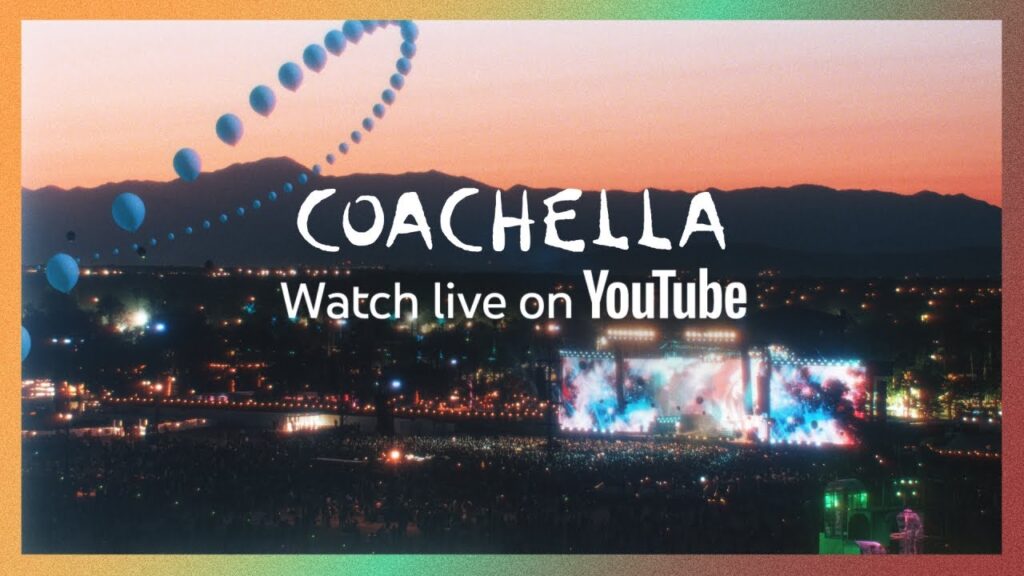
This year’s livestream expansion gives that local event a wider commercial footprint. YouTube says more than half of last year’s Coachella livestream watch time came from living room screens, a data point that helps explain why the company is leaning harder into television-style features. The new multiview tool lets viewers watch up to four feeds at once on TV and switch audio between them, while the Coachella Stage, Outdoor Theatre and Sahara will stream in 4K for the first time.
In practical terms, YouTube is treating Coachella less like a simple webcast and more like an always-on channel. A new 24-hour “Coachella TV” feed will mix live performances, archival highlights and festival programming between sets. Weekend two will also include “Watch With” sessions that pair creators with specific performances, extending the company’s larger push to make creators part of premium event viewing, not just adjacent to it.
There is also a retail layer. Through YouTube Shopping, viewers will be able to buy limited-edition artist merchandise directly from the livestream using on-screen prompts and QR codes. That turns a music festival stream into a transaction surface, an increasingly important distinction as platforms chase new revenue beyond traditional advertising.
The strategy comes at a useful moment for YouTube. Ahead of its annual pitch to advertisers at Brandcast, the company can point to Coachella as a live case study in scale, screen quality, creator integration and shoppable viewing. In one product, it can show brands the reach of a global free livestream, the engagement of connected-TV viewing and the conversion potential of integrated commerce.
For the festival itself, the arrangement extends a relationship that has been building for years. YouTube has streamed Coachella since 2011, and the platform’s current agreement with the festival runs through 2026. The technical escalation has been steady. Full two-weekend streaming expanded in recent years, and now the 2026 edition adds a seventh stage, more 4K coverage and deeper consumer features.
That evolution reflects a broader shift in how major live events are packaged and sold. Coachella still depends on the in-person draw of Indio, its polo grounds and the annual wave of visitors that fills the entire spectrum of hospitality venues throughout the Coachella Valley. But the digital version is increasingly important in its own right, especially when the physical event is sold out, and remote viewers still want access to the experience.
For local businesses, that global reach can cut two ways. The in-person crowd remains the direct driver of hotel bookings, meals, rides, retail spending and tax revenue. But the scale of the stream also extends the Coachella brand far beyond the festival gates, helping keep the region in front of viewers, marketers and potential visitors long after the final set ends.
That is part of the reason the business story around Coachella no longer starts and ends with ticket sales. The event now sits at the intersection of tourism, media distribution, advertising technology, creator economics and digital commerce. What happens on stage still matters most. But what happens on the screen at home is a giant win for our region.
For YouTube, Coachella 2026 is a high-profile test of whether audiences will treat a free music livestream more like television than background video. For Indio and the wider valley, it is another reminder that one of the region’s signature events is no longer only a festival. It is also a media platform.

Bob Marra is the CEO/Publisher of GPS Business Insider. He has been studying, writing and giving presentations about business, economic and public affairs news and issues and the local economy in the Greater Palm Springs/Coachella Valley region for more than 20 years.