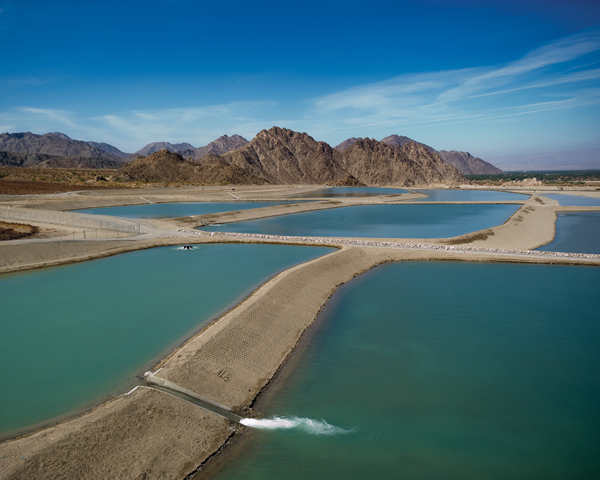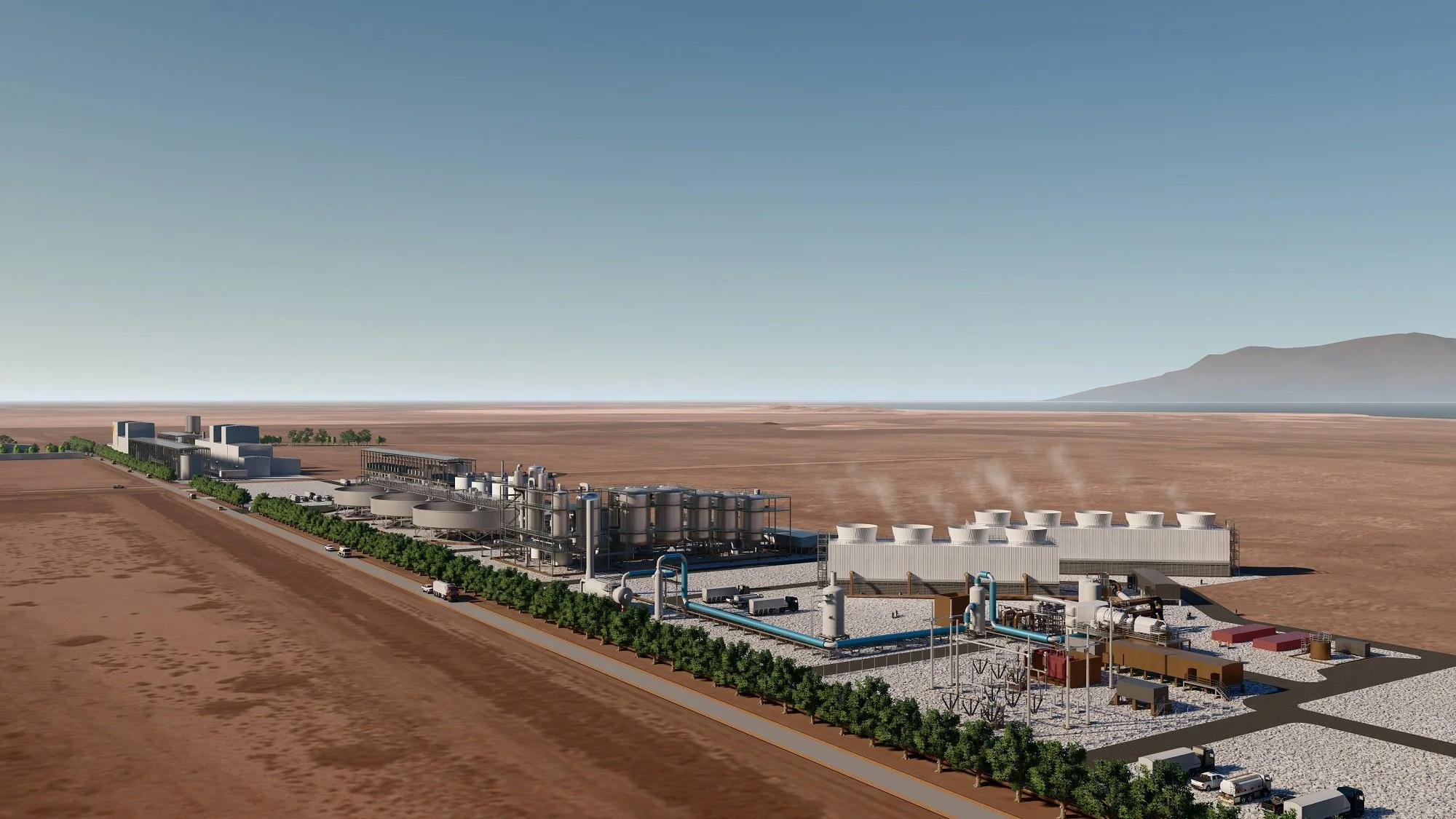
The promise of Lithium Valley, a vision of California leading the global clean energy transition through massive lithium extraction near the Salton Sea, is facing a high-stakes tug-of-war. On one side are companies like Controlled Thermal Resources (CTR), pitching sustainable energy and thousands of local jobs. On the other are environmental justice advocates and community groups, who say the project, as currently proposed, risks harming the very communities it claims to benefit.
At the center of the controversy is CTR’s Hell’s Kitchen project, a geothermal lithium extraction facility near Niland that, if successful, could supply a significant share of the U.S. lithium demand. But as lawsuits and public appeals pile up, what was once heralded as the future of clean energy now faces delays, skepticism, and a growing credibility crisis.
A Boiling Legal Battle
The latest chapter unfolded last week when Comité Cívico del Valle (CCV) and Earthworks filed an appeal with California’s Fourth District Court, challenging Imperial County’s approval of CTR’s environmental impact report (EIR). The groups allege that the EIR ignores key issues, including air pollution, water use, hazardous waste, and tribal cultural resources.
“The project would create a high-water demand in an arid desert environment where the drying out of the Salton Sea worsens severe air pollution impacts,” their legal brief warns.
This appeal follows a January 2025 Superior Court ruling that dismissed the groups’ initial lawsuit. CTR has called the renewed legal fight “frivolous,” accusing opponents of abusing California’s environmental laws to delay critical energy projects.
What’s at Stake
The Hell’s Kitchen project is one of the most ambitious efforts in the so-called Lithium Valley, a name given to the Salton Sea region by state and federal officials, who envision it as a major global hub for lithium, a mineral essential to electric vehicle batteries, smartphones, and renewable energy storage.
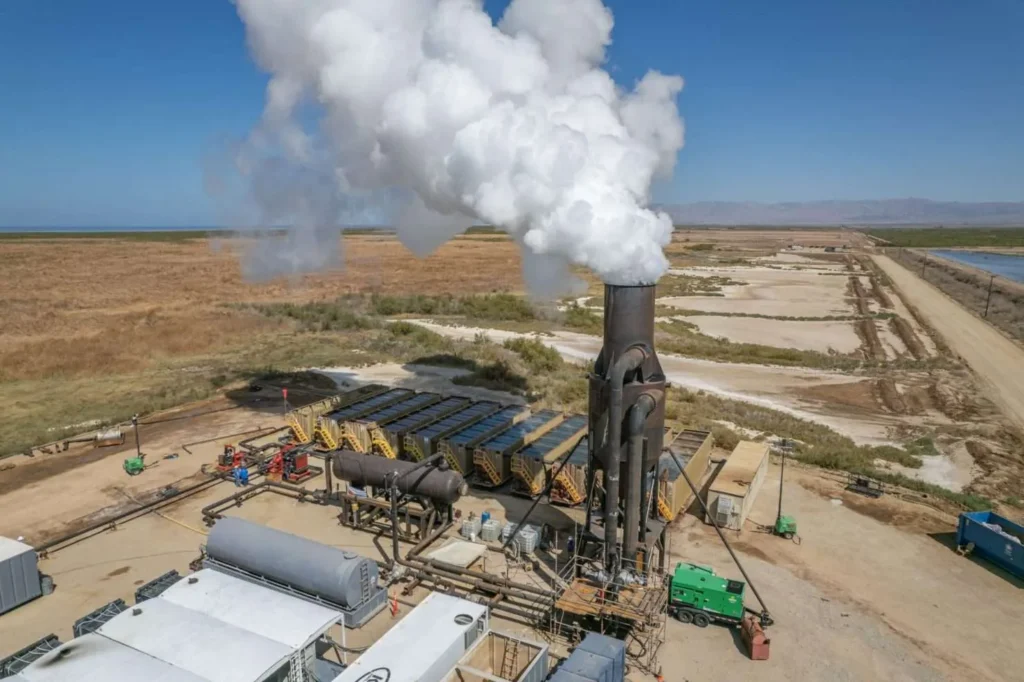
CTR conducts testing on the future site of its Hell’s Kitchen geothermal and lithium extraction plants
CTR plans to use Direct Lithium Extraction (DLE), a relatively new method that pulls lithium from superheated brine and reinjects the fluid back underground. The company touts this as a cleaner alternative to traditional mining.
But critics say the process is still unproven at an industrial scale — and may not be as benign as promised.
A newly released report by CCV and Earthworks titled “The Devil Is in the Details” outlines their concerns in plain language, aiming to mobilize residents, decision-makers, and regulators. Among the report’s findings:
- Water Use: The project’s first phase will consume 6,500 acre-feet of water per year, a significant draw from an already overstressed Colorado River.
- Air Quality: The area already suffers from some of California’s worst air pollution. Emissions from the project could exacerbate respiratory illnesses, especially in children.
- Hazardous Waste: Lithium extraction generates solid waste that contains lead, arsenic, and other toxic materials. Critics argue that CTR lacks a concrete disposal plan.
- Tribal Resources: The site lies within a culturally significant area, yet local tribes were not adequately consulted, according to opponents.
Calls for Community Protections
While CCV and Earthworks oppose the current structure of the project, they insist they are not against lithium development. “We’re not here to stop clean energy,” said Luis Olmedo, CCV’s executive director. “We just want it done right.”
Their solution? A Community Environmental Impact Fee (CEIF) – capped at 1% of the project’s annual revenue – and a Joint Powers Authority composed of nearby communities and tribes to oversee its use. The funds would support environmental mitigation, cultural preservation, and public health initiatives.
“The people who live with the dust and drink the water should not be the ones left behind,” Olmedo added.
Industry Pushback
CTR and county officials have painted a starkly different picture. They argue the project is key to regional development, offering thousands of jobs, tens of millions in local tax revenue, and a vital role in ending U.S. dependence on foreign lithium.
“This is national security,” said Rod Colwell, CTR’s CEO. “Why send lithium to China to get it back? The opportunity is right here.”
Colwell insists the project is the most water-efficient lithium extraction method globally and that critics are misinformed. He points to a project labor agreement, workforce training programs, and projected benefits to schools and hospitals as evidence that the community will gain, not suffer.
He also accused CCV of using litigation as leverage, referencing a reported $83 million community benefit request that was floated during private negotiations. Olmedo denied this was a payout to the nonprofit, insisting it was a proposed public investment overseen by an independent board.
Can the Dream Survive the Fight?
The battle in Imperial County reflects a broader debate unfolding across California: whether environmental protections, such as the California Environmental Quality Act (CEQA), are being used to protect vulnerable communities, or to stall urgently needed infrastructure.
CEQA has helped community groups demand stronger protections but has also drawn criticism from developers, unions, and even governors for causing delays. Recent state legislation has begun carving out exemptions for select clean-energy and housing projects. Whether lithium extraction will receive similar treatment remains to be seen.
A Tipping Point for Lithium Valley?
As the appeal works its way through the courts, the stakes are clear. If the legal fight stalls investment long enough, companies may take their capital elsewhere. CTR warns that Nevada, Texas, Utah, and Arkansas are already pulling ahead.
But if the project proceeds without addressing community concerns, it risks becoming another chapter in a long history of extraction and environmental neglect in poor, rural regions.
“It’s not just about lithium,” said Dr. James Blair, a professor at Cal Poly Pomona who advises CCV. “It’s about how we build trust and whether clean energy will truly benefit everyone – not just the investors.”
For Now, the Dust Rises
While state and federal officials continue to promote Lithium Valley as a linchpin of energy independence and climate resilience, the reality on the ground remains complex. Beneath the optimism lies a deep tension between promises of prosperity and fears of repeating old mistakes.
As one tribal elder put it during public comment: “We’ve seen booms before. The profits leave. The pollution stays.”
In Imperial County, the outcome of the Hell’s Kitchen lawsuit could shape not only the future of Lithium Valley but also the rules of engagement for clean energy projects across the United States.