For business leaders across Greater Palm Springs, healthcare is more than a public policy issue – it is a defining factor in workforce wellbeing, economic development, and the long-term quality of life in the region. So, when the leaders of the Valley’s largest employer and healthcare provider share their perspective on where the industry is heading, it offers insights that extend well beyond hospital walls.
At this week’s Rancho Mirage Chamber of Commerce State of Healthcare gathering of civic and business leaders, held March 4, 2026, executives from Eisenhower Health outlined how they are preparing the organization – and the region – for the next era of healthcare. Their message was clear: the system must evolve rapidly to keep pace with demographic change, technological innovation, and rising expectations from patients and communities.
For Greater Palm Springs’ business and policy leaders, the conversation offered a useful window into how one of the region’s most important institutions is planning for the future.
A Vision for World-Class Care
For Eisenhower Health President/CEO Martin Massiello, the starting point is vision.
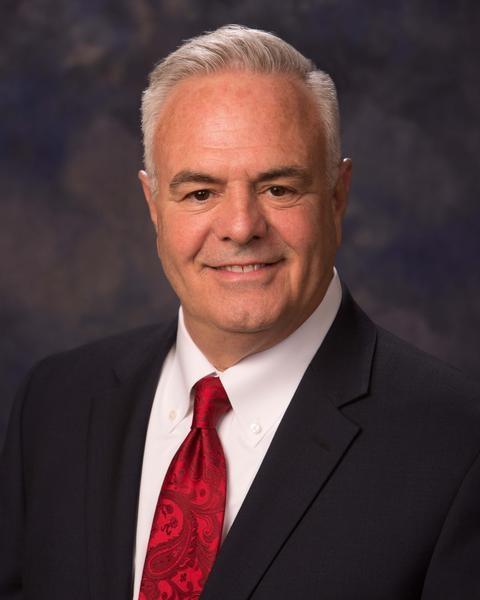
Martin Massiello, President and CEO, Eisenhower Health
Leading a complex organization with more than 5,000 employees, more than 450 physicians, and care sites across the region requires a clear understanding of where the organization is headed -and the discipline to align thousands of daily decisions around that direction.
Massiello describes Eisenhower’s goal simply but boldly: to build a world-class health system serving Greater Palm Springs.
That aspiration is more than branding. It provides the framework for how the organization sets priorities, allocates resources, and evaluates performance.
At Eisenhower, that framework is built around a set of core pillars that guide the health system’s work – from clinical excellence and expanded access to care to innovation, workforce support, patient experience, and deep partnerships across the community.
For leaders in any industry, the lesson is familiar. Organizations of scale do not move forward by accident. They move forward when vision is translated into strategy – and when strategy is reinforced through consistent leadership and communication.
In healthcare, the stakes are simply higher. The decisions made inside health systems affect not only operational performance but also the well-being of entire communities.
A Growing Valley Means Growing Demand
Few forces are shaping healthcare in Greater Palm Springs more than population growth and demographic change.
Like many regions across the country, the desert region is experiencing steady population growth along with a rapidly expanding senior population. Both trends place increasing demand on healthcare services.
Over the past five years, Eisenhower Health has seen patient visits rise dramatically – from roughly 800,000 annual visits to more than 1.2 million today.
To put that in perspective, that growth represents the equivalent of adding the healthcare needs of an entire mid-sized city to the system’s workload.
For health system leaders, meeting that demand requires expansion on several fronts: physicians, facilities, technology, and specialized programs.
Recruiting physicians remains one of the most important strategies for improving access to care. Eisenhower’s affiliated medical group now includes approximately 450 physicians, practicing across more than 100 clinics and healthcare facilities throughout the Valley.
At the same time, graduate medical education programs are helping build a pipeline of future physicians. Today, more than 140 residents and fellows are training within the Eisenhower system across multiple specialties.
Many of those physicians will ultimately choose to remain in the Valley, strengthening the region’s long-term healthcare workforce.
Investing in Infrastructure and Innovation
Ken Wheat, Eisenhower Health Executive Vice President/COO, underscored the fact that meeting the healthcare needs of a growing region also requires substantial capital investment.
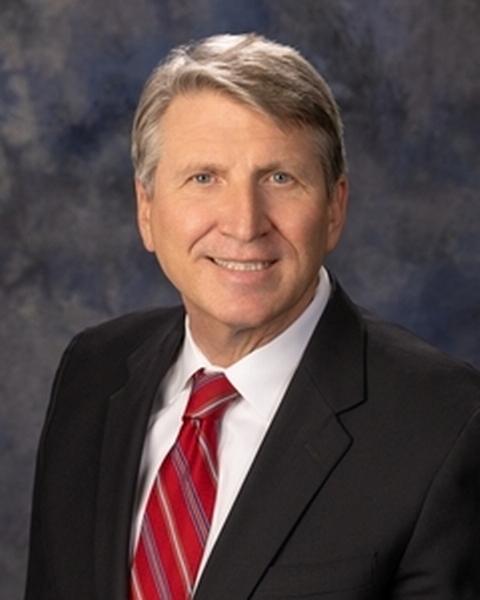
Ken Wheat, Exec. Vice President, Chief Operating Officer, Eisenhower Health
Eisenhower is currently planning nearly $350 million in investments over the next three years to expand clinical facilities, improve access to care, and deploy advanced medical technologies.
Several major projects are already underway.
One of the most visible is the new Cardiovascular Institute Ambulatory Center a four-story facility that will bring cardiologists, cardiovascular surgeons, diagnostic services, and advanced procedural suites together under one roof. The facility will significantly expand the region’s capacity for advanced cardiac care.
Additional projects include expanded outpatient clinics, new specialty services in Palm Springs, a memory care center, and a childcare facility designed to support healthcare workers and their families.
In total, Eisenhower expects to bring nearly 150,000 square feet of new clinical and support space online over the next 18 months.
For the region’s economy, these investments represent more than healthcare infrastructure. They also represent job creation, construction activity, and long-term workforce stability in one of the Valley’s largest employment sectors.
Expanding Access Across the Valley
As healthcare demand grows, expanding access to care has become a central focus for the organization.
Traditionally, many healthcare services were concentrated around the hospital campus in Rancho Mirage. Today, health systems across the country are shifting toward decentralized models that bring care closer to where people live.
Eisenhower is following that trend.
New clinics and specialty facilities are expanding across the Valley, while partnerships with academic institutions are bringing specialized expertise to the region that might otherwise require travel to major metropolitan medical centers.
One example is the system’s cancer program collaboration with academic specialists, providing Valley residents access to highly specialized oncology care close to home.
Behavioral health services are also expanding significantly. Like many communities nationwide, the Valley faces a shortage of mental health services.
Eisenhower has already expanded behavioral health clinic space and plans to grow those services substantially in the coming years, including new residency programs designed to train the next generation of psychiatrists.
Quality as the Foundation
While growth and expansion often attract the most public attention, Eisenhower’s leadership emphasizes that quality remains the foundation of everything the organization does.
Healthcare leaders often describe quality as the “non-negotiable” element of hospital operations – and at Eisenhower, it serves as the guiding benchmark for decisions across the system.
National recognitions reflect that commitment. The hospital has achieved Magnet designation, one of the highest honors for nursing excellence, and holds multiple specialty certifications recognizing clinical performance in areas such as cardiovascular care.
These recognitions are not simply symbolic. They signal a culture of continuous improvement in patient safety, clinical outcomes, and care delivery.
For patients, that commitment translates into better outcomes and a higher level of trust in the healthcare system serving the region.
Health Begins Beyond Hospital Walls
Healthcare leaders increasingly recognize that health outcomes are shaped by more than clinical care.
Housing stability, access to nutritious food, transportation, social support, and community connection all play critical roles in determining whether people remain healthy.
As a result, health systems are increasingly partnering with nonprofit organizations and community groups working on these broader social determinants of health. Eisenhower Health collaborates with numerous local organizations addressing issues ranging from food insecurity to senior services.
These partnerships are not simply philanthropic gestures – they represent a growing recognition that improving community health requires coordinated effort across multiple sectors.
For the Greater Palm Springs business community, this approach offers opportunities for collaboration in workforce health, community development, and social services.
Why It Matters for Business Leaders
For executives and decision makers across Greater Palm Springs, the future of healthcare is closely tied to the region’s broader economic vitality.
Healthcare access affects workforce productivity. Community health affects economic growth. And a strong healthcare system remains one of the most important factors businesses consider when evaluating where to invest and expand.
As the Valley continues to grow, the role of institutions like Eisenhower Health will only become more central.
The message from its leadership is both ambitious and pragmatic: building a world-class healthcare system will require sustained investment, disciplined strategy, and strong partnerships across the region.
In many ways, the future of healthcare in Greater Palm Springs will not be shaped by hospitals alone – but by the collective efforts of the region’s healthcare, business, and civic leaders working together to support a healthier and more resilient community.

Bob Marra is the CEO/Publisher of GPS Business Insider. He has been studying, writing and giving presentations about business, economic and public affairs news and issues and the local economy in the Greater Palm Springs/Coachella Valley region for more than 20 years.