A long-running legal fight between the Desert Valleys Builders Association and the City of Coachella has narrowed to a surprisingly simple demand with big consequences: an independent audit of the city’s development impact fee accounts.
DVBA argues that the audit is the only way to verify whether Coachella’s impact-fee program complied with California’s Mitigation Fee Act, a law designed to prevent excessive fees and to require cities to publicly report what they collect and how they spend it. Brownyard calls those reports “the transparency measure” that requires a city to demonstrate a lawful nexus between new development and the infrastructure it is being asked to fund.
GPS Business Insider reached out to the City of Coachella to gather input for this article. They declined to comment, citing the “active legal case.”
The core claim: years of fees, missing accounting
According to DVBA executive director James Brownyard, the organization’s attorney asserts that Coachella adopted a revamped impact-fee program in 2010 that “significantly increased” fees and expanded the scope of covered fees, boosting collections, but that “accountability fell off.” As a result, DVBA alleges the city collected “many millions” in impact fees, built up surpluses that later “mysteriously disappeared,” and did not provide required annual reports or five-year reconciliations despite DVBA complaints.
Brownyard puts the alleged noncompliance in blunt terms: “From 2009 to 2019, they failed to provide required annual reports and five-year reports,” he said.
The stakes, DVBA argues, go beyond paperwork. A court filing in the case notes that refund remedies under the Mitigation Fee Act are structured so that refunds typically go not to builders, but to current property owners on the tax rolls, reflecting the idea that fees are often passed through in higher home prices.

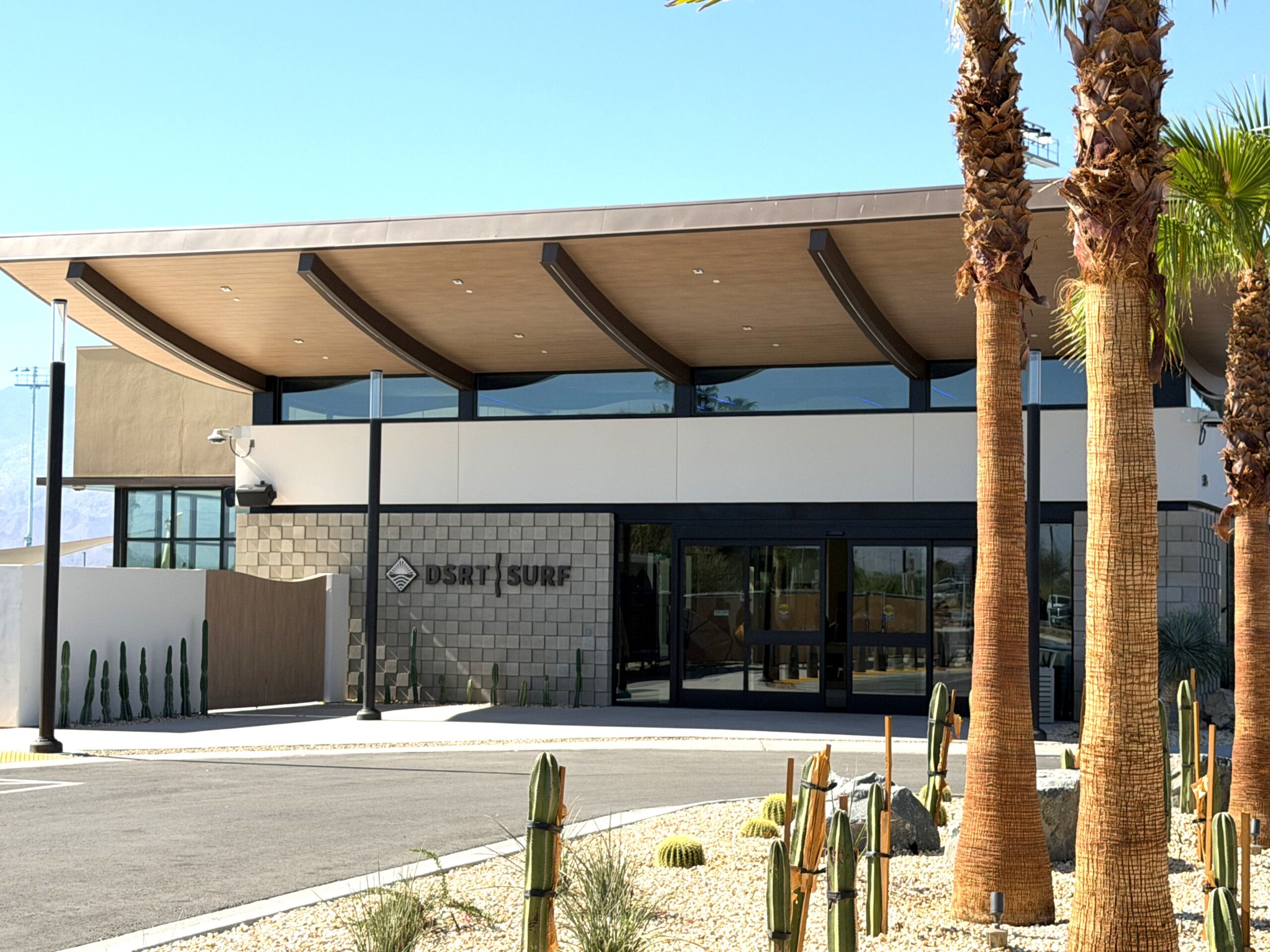
Several new home developments, like Pulte’s Pyramid Ranch (model homes shown above), are under construction and in planning in Coachella.
The “hub” issue: a court-ordered audit that still hasn’t happened
DVBA filed the case on Jan. 18, 2019, after state law was amended to shift audit costs onto agencies that fail to file required reports for at least three consecutive years, rather than leaving would-be challengers to pay “out of their own pockets.”
In court papers, DVBA describes the audit as the “hub” of the lawsuit because it would examine whether fees exceeded what was “reasonably necessary,” whether required five-year findings were made to justify holding unspent balances, and whether fees should be adjusted or refunded under state law.
On June 7, 2024, the Riverside County Superior Court entered a split ruling. The court confirmed it had already granted relief on DVBA’s first cause of action requiring an audit under Government Code section 66023, and it ordered the city to produce the annual reports and make the five-year findings required by Government Code section 66001(d). The court denied some of DVBA’s other claims.
DVBA says the ruling highlights the central conflict: the city argues that DVBA failed to prove broader claims, while DVBA argues that the missing audit would be the source of the evidence and has been delayed for years.
A Nov. 6, 2024, DVBA status report to the court states that there had been “no progress at all” toward the city retaining an auditor, even five years after the city stipulated to an audit order in 2019. The filing says DVBA has been “severely prejudiced” because it believes the audit would have provided “essential evidence” for claims the court denied for lack of proof. The report also argues that the city has gained a “tremendous strategic advantage” by delaying the audit and suggests appointing a special receiver, if necessary, to conduct the audit.
Why it matters: “nexus,” “fair share,” and who pays for new public projects
Brownyard’s most pointed criticism is that the fees, he says, lack a lawful “nexus,” meaning a defensible connection between the fee and a service the development will actually receive.
He points to a “police” fee, saying Coachella collected money for a new police station even though, he claims, the city does not operate its own police department and relies on the Riverside County Sheriff’s Department. “There is no nexus to charge a new development a fee for police facilities,” he said.
He also focuses on the city’s $14 million library project, for which it appears bonds are being repaid through impact fees on future development, rather than being shared with existing residents who also benefit. That, he argues, violates the “fair share responsibility” principle he sees in the Mitigation Fee Act: if a city increases its “level of service,” existing residents must invest too, or new residents end up paying for a community upgrade they never fully receive.
More broadly, Brownyard argues that Coachella’s fee money is hard to trace across multiple accounts. “With Coachella, it disappears,” he said, describing what he sees as a lack of documentation linking specific fee funds to specific projects.
What happens next
The case is now in the appellate phase, with the dispute still centered on the same unresolved issue: whether the city will complete the independent, CPA-led audit DVBA says is required, and whether the courts will impose consequences if it does not.
DVBA’s argument is that, without that audit, the public cannot answer the questions that matter most: whether the fees were legally justified, whether the funds were spent on promised infrastructure, and whether homebuyers paid more than they should have for growth-related projects that did not materialize as represented.

Bob Marra is the CEO/Publisher of GPS Business Insider and GPS Market Intel. He has been studying, writing and giving presentations about business, economic and public affairs news and issues and the local economy in the Greater Palm Springs/Coachella Valley region for more than 20 years.