State regulators on Thursday, September 18, approved Southern California Edison’s latest general rate case. This move will lift residential electricity bills by nearly 10% starting Oct. 1 and add about $17 a month to a typical household using 500 kilowatt-hours. The monthly bill for that statewide benchmark customer is projected to rise from roughly $171 to $188.
The California Public Utilities Commission’s (CPUC) decision sets Edison’s base revenue for 2025–2028 and authorizes a 2025 revenue requirement of $9.756 billion, about $727 million less than the utility requested for the year. Over the full multi-year period, the CPUC said it trimmed SCE’s ask by $4.39 billion to balance affordability with grid safety and reliability investments. The commission approved the measure on a 4–0 vote, according to local coverage of Thursday’s meeting.
A years-long climb in rates
Rate hikes have become routine for SCE customers. Since 2020, Edison has raised rates 13 times and lowered them three times, according to CPUC rate change advisories compiled in filings, pushing a typical homeowner’s bill up by about $80 a month over that span.

SCE Rate Increases Since 2020
SCE and regulators cite wildfire mitigation, vegetation management, aging infrastructure and rising demand as the main cost drivers. “We know that rate changes are challenging for customers,” spokesperson David Eisenhauer said this week, arguing the increases support “a reliable and resilient electric grid that is ready to enable the clean energy transition.”
The CPUC’s fact sheet on the case highlights that the approved revenue for 2025 reflects a 13.7% year-over-year increase in authorized spending. Any under-collection since January 1 will be amortized over 24 months once the new rates take effect on October 1.
What changes now and what’s next
Beginning in November 2025, residential bills will also include a new fixed “Base Services Charge” required by Assembly Bill 205. For SCE customers, the utility’s own fact sheet explains that bills will be restructured. At the same time, per-kilowatt-hour rates decline, producing winners and losers depending on usage and income-qualified status.
Beyond the general rate case, Edison has pending and recent requests tied to wildfire costs and financing. The utility has sought to recover billions related to the 2017–2018 fires (including Woolsey and Thomas) and separately asked to raise its authorized return to reassure investors amid wildfire risk – proposals that could further affect bills. Recent reporting also notes a settlement framework that would allow for the recovery of approximately $2 billion in wildfire-related losses, pending CPUC approval.
California’s price backdrop and economic ripple effects
California electricity prices remain among the highest in the nation. Federal data indicate that the state’s average residential price was significantly above the U.S. average in mid-2025; commercial prices were also elevated. That gap squeezes household budgets and business margins, especially during hot months when air-conditioning load surges.
Independent policy researchers add that the state’s long-standing advantage of lower consumption has been overtaken by rapid price growth. Since about 2015, rising rates have pushed median California bills to roughly match those of the rest of the country, with low-income households bearing the heaviest energy burden.
Economists and energy agencies have also warned that wholesale power costs in the Southwest and California are trending higher in 2025, given strong demand growth and supply constraints, a headwind for operating costs across energy-intensive industries from hospitality to cold-storage and retail.
Greater Palm Springs: high heat, high bills
In the Coachella Valley, where summer temperatures routinely top triple digits, the combination of high rates and heavy cooling demand makes electricity bills especially punishing. Local broadcaster KESQ-TV has documented steep spikes for residents this year – including a Palm Springs customer who saw a level-pay plan reconcile with a shock bill near $1,000 – as households brace for seasonal surges.
With rates set to rise again on Oct. 1, local media and county programs have been pointing residents to assistance and efficiency tools – from LIHEAP bill credits administered by Community Action Partnership of Riverside County to local cooling centers – acknowledging that many desert households struggle to keep up.
Business costs in the valley are climbing, too. Elevated commercial tariffs mean hotels, restaurants, shops, and logistics facilities must cool large spaces during peak-price hours, amplifying the cost pressure. State and federal data confirm California’s commercial and industrial rates significantly exceed national averages, a competitive challenge for energy-intensive operations.
SCE’s increase follows the IID’s rate hike in January
On January 21, the Imperial Irrigation District (IID) Board of Directors voted unanimously to approve a multi-phase electricity rate increase.
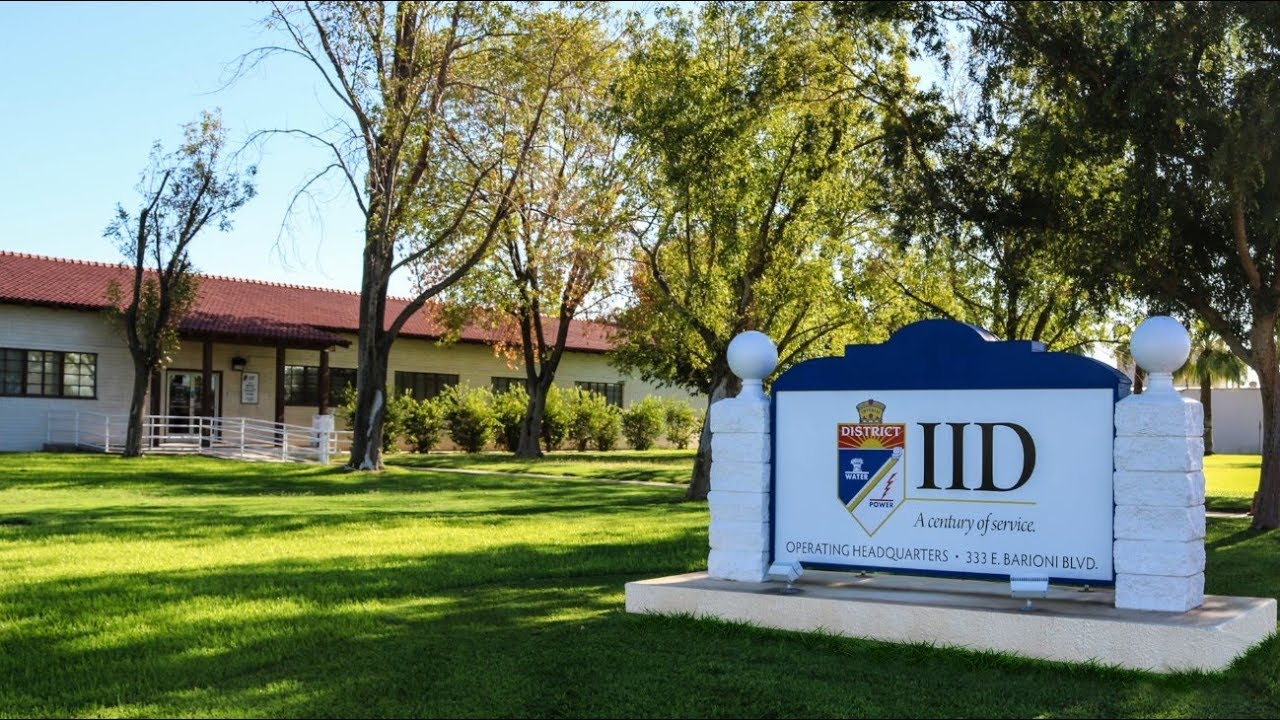
Under the new rate structure, residential customers are experiencing an average monthly bill increase of $29.81 in 2025. The rate adjustment applies to all customer classes, including residential, agricultural, and commercial users, with further increases planned through 2027. For instance, large general service customers are seeing an average monthly increase of $579.41 in 2025, while agricultural pumping customers are hit with an additional $61.42 on their monthly bills.
IID serves 165,674 customer accounts across a 7,000-square-mile area, including over 100,000 in Riverside County.
How we got here and what critics say
Public comments in the Edison docket have highlighted reliability and wildfire risk concerns, even as costs continue to rise. Some customers complained of more frequent outages and preventative shutoffs; others argued shareholders should bear more wildfire liabilities.
SCE counters that investments in insulated wire, undergrounding and inspections are necessary and expanding, even as ignitions fluctuate with extreme weather and vegetation conditions.
Bottom line
The CPUC’s Sept. 18 approval cements another step-up in Edison bills this fall and locks in multi-year spending through 2028. Layered on top of repeated increases since 2020 and a new fixed charge arriving in November 2025, the decision intensifies the affordability debate across California, and nowhere more than Greater Palm Springs, where relentless heat from spring through fall turns high rates into major monthly costs for families and for the businesses that anchor the region’s economy.

Bob Marra is the CEO/Publisher of GPS Business Insider. He has been studying, writing and giving presentations about business, economic and public affairs news and issues and the local economy in the Greater Palm Springs/Coachella Valley region for more than 20 years.