The Palm Springs City Council on Sept. 10 authorized staff to keep pushing forward on a sweeping modernization and expansion of the Palm Springs Convention Center, paired with new “urban connector” improvements linking the facility to downtown. Meanwhile, major contracts on various aspects of the project will move into the procurement stage this fall. The action was a status update and green light to proceed with planning; all design, budget and construction decisions will return to the council.
The project has two big pieces: renovating and expanding the 1984-era convention center (last enlarged and upgraded in 2005) and building branded pedestrian, bicycle and streetscape links that knit the center more tightly into surrounding districts.
Why it’s happening
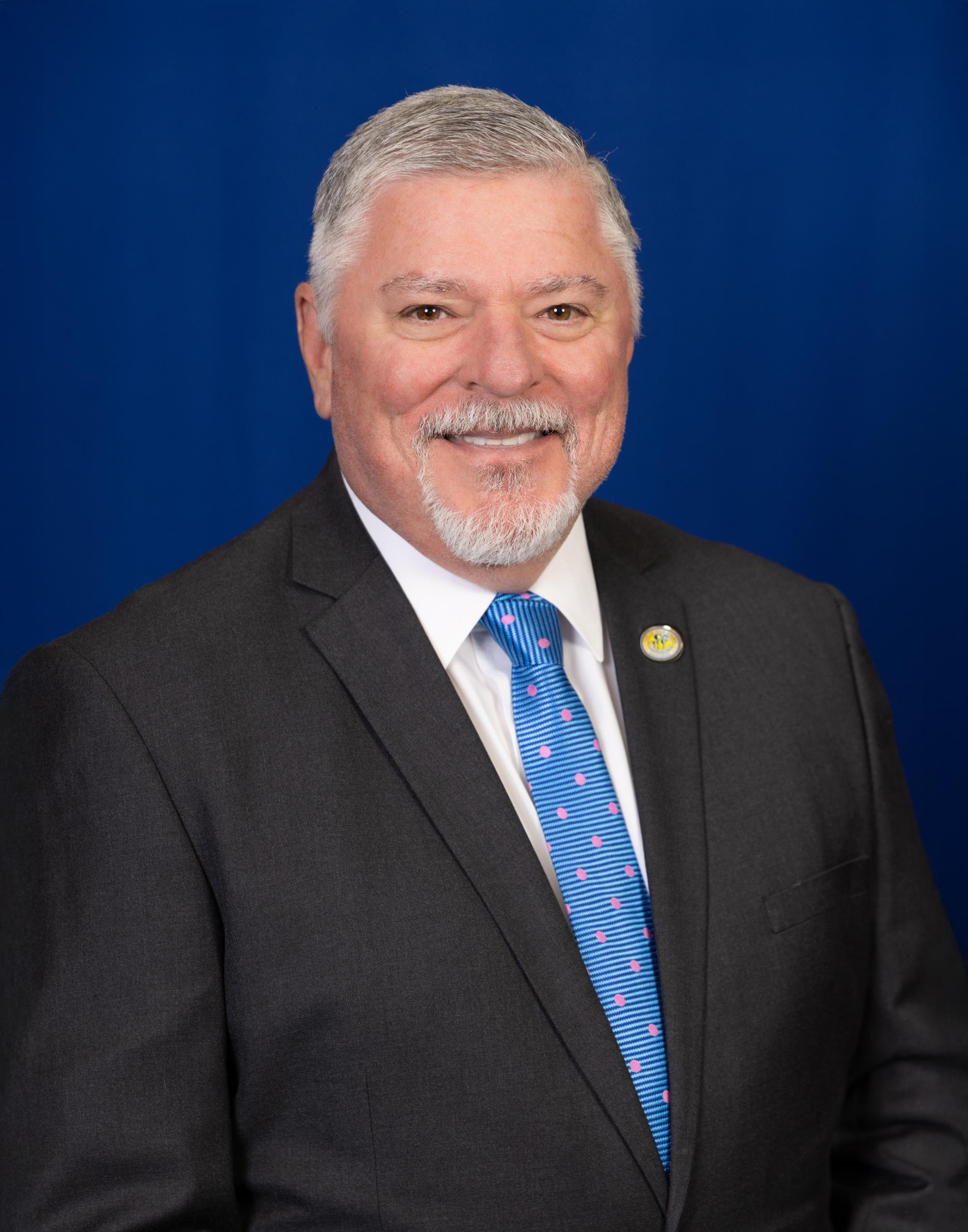
City of Palm Springs Mayor Ron DeHarte
City leaders say Palm Springs must modernize to stay competitive. Mayor Ron deHarte said the community “can be very proud” of the stakeholder work underway, but warned, “we’ve lost 77 conventions already.” He added the center “hasn’t kept up… we don’t have the latest technology,” and the city is “already losing future bookings” to larger competitors.
Councilmember Jeffrey Bernstein tied the investment to core city services: “Our TOT is responsible for something like 25% of our general fund… investing in a convention center… pays back by having money to support our parks and public safety.”
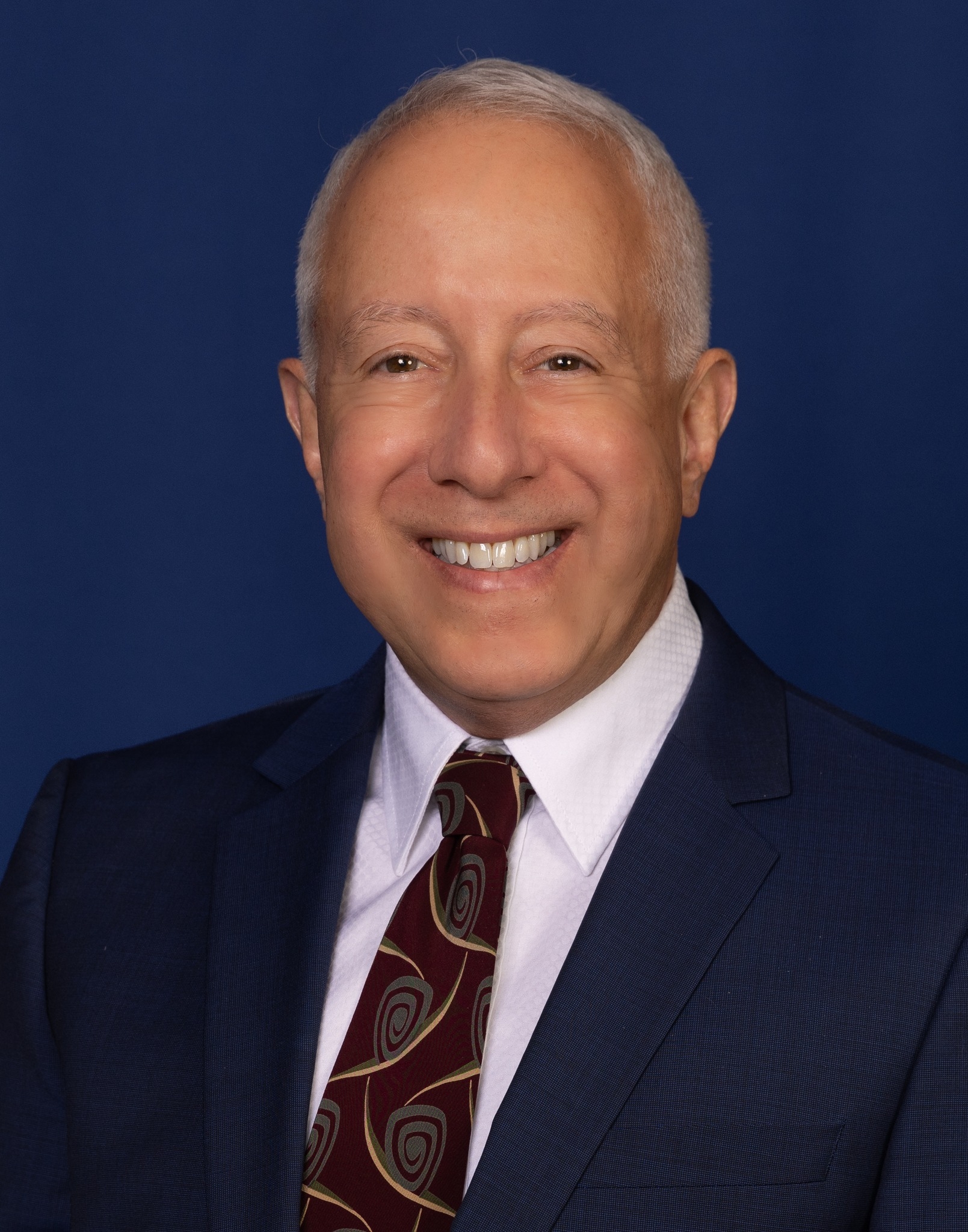
Palm Springs City Councilmember Jeffrey Bernstein
Industry expectations are also shifting. As “convention districts” become the norm, planners now look for seamless connections between venues and nearby neighborhoods, one reason Palm Springs is packaging facility upgrades with a streets-and-placemaking plan.
What’s planned
City staff outline a three-stage program: interior renovations and critical capital repairs; an east-side expansion to boost capacity and improve access (within the existing site); then a master plan update and district-scale pedestrian, multimodal and branding improvements.
An Urban Design RFQ will seek a team to craft wayfinding, public-realm upgrades and a district identity to “visually connect” the center and downtown.
Timeline and near-term steps
Procurement is already underway. RFQs for the Owner’s Representative and for Architecture/Engineering were posted Sept. 4, with awards targeted for November; an Urban Design RFQ is slated to post Sept. 25 for a December council award.
Staff’s 30- to 60-day outlook matches that cadence: Owner’s Rep and A/E selections to council in November and the Urban Design item in December.
Looking further out, the staff report targets completing all phases by late 2027 or early 2028. From the dais, Bernstein sketched a more conservative horizon, “really by 2030 to have completion,” while noting residents should see visible activity beginning next year.
Governance, process and CEQA
Since January, a City Manager–led stakeholder group has met monthly, supported by four working groups: Capital Improvements; Urban Design & Connectivity; a Tourism Infrastructure District (TID) study; and Public Finance. Those groups recommended moving to implementation steps, including hiring the Owner’s Rep and A/E and launching the connectors/branding effort.
Wednesday’s action keeps the project in planning. Feasibility and planning studies are exempt from CEQA under Guidelines §15262; any future approvals would undergo the appropriate environmental review, and all subsequent decisions return to the council.
Budget and how to pay for it
The preliminary program totals about $125–$125.5 million, inclusive of design and contingency. A working model breaks down as follows: $9.9 million for design (Measure J, later reimbursed), $38.5 million for renovations, $52.8 million for expansion, and $24.2 million for the urban connectors, which will be largely funded through bonds. Financing options under study include General Fund, Measure J, and revenue-capture tools; PS Resorts has retained Civitas to analyze forming a TID.
The road ahead
In the coming weeks, staff will evaluate RFQ responses and continue outreach. Communications plans call for broad stakeholder engagement throughout the design and financing phases. As the project transitions from concepts to contracts, council oversight remains the gate for each major milestone.
Bottom line: Palm Springs is betting that a refreshed convention center and a walkable, branded district will keep the city in the running for high-value meetings, resulting in hotel stays, restaurant traffic, and revenue that support local services. The question now is pacing: staff’s 2027/28 target versus a 2030 cushion, with the first visible work expected to start next year.