Indio has approved new rules for residential event venues and vacation rentals that pair tighter neighborhood protections with expanded capacity for qualifying properties during festival season.
The City Council adopted three ordinances on its Nov. 4 consent agenda covering event permits, rental occupancy and noise enforcement. The rules take effect Dec. 4, with a transition period for event properties extending into next spring.
The changes address a recurring tension in Indio’s hospitality economy: residential properties help serve visitors drawn by Coachella and Stagecoach, but event traffic, amplified music and late-night activity spill into neighborhoods that function as year-round communities.
A New Permit System for Residential Events
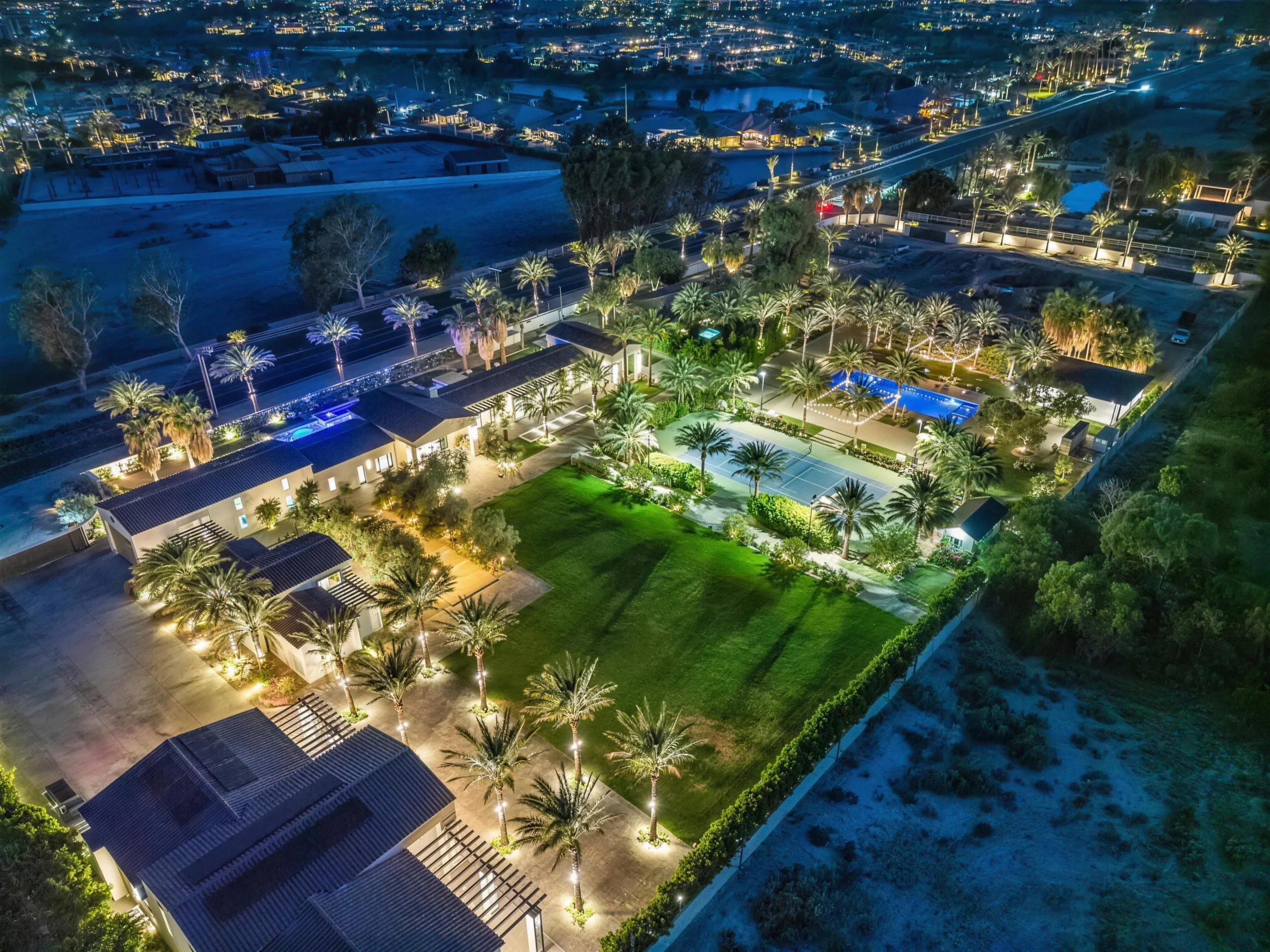
The event ordinance sets a one-acre minimum for properties hosting regulated commercial-style gatherings, including homes rented as venues. Smaller events can receive administrative permits, while larger gatherings require City Council approval.
Administrative permits can authorize up to 100 attendees on properties smaller than 2.5 acres and up to 150 on larger estates. The council can approve higher attendance, subject to safety requirements and neighborhood protections.
Ordinary noncommercial gatherings at private homes remain outside the event ordinance regardless of attendance, although noise and safety laws still apply. Vacation rentals remain subject to separate gathering limits.
Existing Event Estates Get a Separate Pathway
Qualifying established properties can register for a “deemed approved” permit rather than pursue the standard discretionary approval process.
Qualifying properties must have at least one acre, a lawful home as their primary use and a history of city-permitted events, along with current taxes, fees and applicable rental licensing.
Their attendance allowance is the highest authorized under a qualifying previous permit plus 30%, subject to safe capacity. The authorization runs with the land but can be revoked or end after 12 consecutive months without regulated events.
The process drew objections because it does not require a public hearing and neighbors cannot appeal issuance. The city emphasizes continuing operating standards, neighborhood notification and compliance reviews.
Festival Rules Allow Higher Attendance and Occupancy
Within designated Southern Neighborhoods and Festival District areas, eligible properties can host festival-period events at 1.5 times their permitted attendance. Those with short-term rental permits can double their otherwise permitted overnight occupancy, subject to fire-safety limits.
The allowances do not apply automatically to every vacation rental. Properties must hold qualifying permits and festival approvals and meet good-standing requirements.
Approved events can generally continue until the applicable festival closing time, with special sound standards during festival hours. Police can require earlier endings, stagger nearby events or decline events whose public safety needs cannot be met.
What Changes for Indio Short-Term Rentals
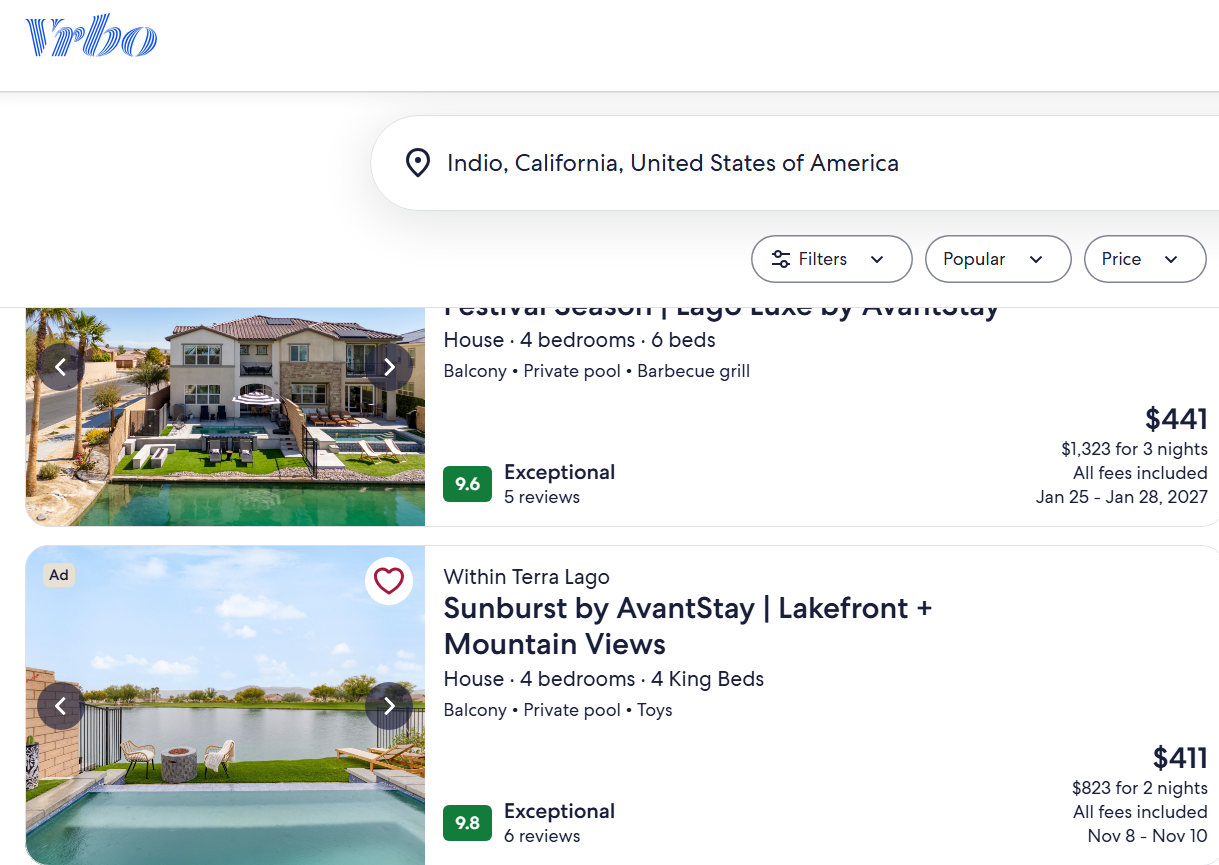
Indio’s revised vacation-rental rules address overnight and daytime occupancy, gatherings and noise. Operators must update rental agreements, guest information and posted notices.
The revised Indio short-term rental rules establish an overnight formula of four occupants plus two for each verified, legally permitted bedroom, subject to lower safety or wastewater limits. Children younger than five are excluded from the count.
Regular daytime occupancy is the overnight allowance plus four people. Separate rules allow limited gatherings such as birthdays and family reunions, subject to attendance caps and operating conditions.
Those gatherings are limited to one per stay and 12 in a rolling year. Operators must update rental agreements, guest information and posted notices to reflect the new requirements.
Noise Enforcement and the Spring Deadline
Outside applicable festival exceptions, quiet hours run from 10 p.m. Sunday through Thursday and 11 p.m. Friday and Saturday until 8 a.m.
Certain event properties accessed through residential streets face additional sound-monitoring, shuttle and event-breakdown requirements.
Noise violations can trigger escalating penalties. In specified commercial or repeat-enforcement cases, fines can reach $1,000 per minute, subject to notice procedures, applicable compliance periods and caps.
Registration for qualifying existing-venue permits closes Feb. 1, 2027. The standard event-permit compliance date is April 1, with transitional allowances for properties awaiting decisions on complete applications.
The city will set authorized fees and deposits separately and review ordinance implementation by June 2027.