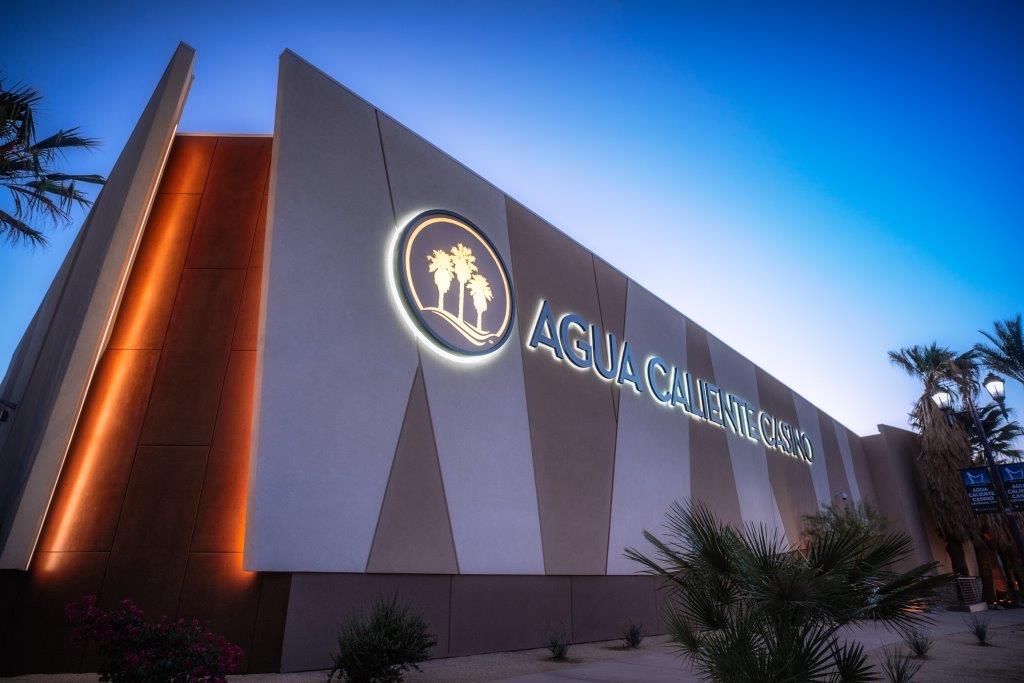
After years of delays and a complex bankruptcy process, La Quinta officials say SilverRock is moving into a new phase as Turnbridge Equities advances design work, power coordination and plans for a future site development permit application.
For years, the future of SilverRock Resort in La Quinta has existed somewhere between one of the desert’s most ambitious resort visions and one of its most closely watched unresolved development stories.
Now, after a bankruptcy process that placed the project’s unfinished buildings, financing disputes and development rights under the supervision of a Delaware court, La Quinta officials say the project has moved into a more constructive phase. The former resort development site, a 134-acre portion of the larger city-owned SilverRock area near the Santa Rosa Mountains, is now owned by an affiliate of Turnbridge Equities, which is preparing plans for a scaled, redesigned version of the resort community.
The immediate news is procedural but significant: the city says a global settlement and an amended liquidation plan approved in bankruptcy court are designed to resolve major claims involving the city and the new buyer, while preserving disputes among creditors over the proceeds from the $65 million sale. At the same time, Turnbridge has begun technical studies, power coordination, dust-control work, and design planning to bring the project back to La Quinta decision-makers later this year.
For a city that has spent more than two decades pursuing the resort vision at SilverRock, the update marks a shift from legal triage toward development review.
“We’ve been engaged with them here for several months,” City Manager Jon McMillen said during the June 2 City Council update, referring to Turnbridge and its representatives. The work, he said, has included how to get power to the site, how to coordinate with the city’s adjacent park venue, and how to incorporate public-facing elements into the future project.
The site carries an unusual mix of history, civic ambition and unfinished construction. La Quinta’s former Redevelopment Agency purchased 525 acres in 2002 with the aim of creating a major resort destination that could expand tourism, generate tax revenue and provide public amenities. The Arnold Palmer-designed SilverRock golf course opened in 2005 and later became part of the Bob Hope Classic. The broader property also includes a wonderful city park and event venue near the entrance.
The resort portion, however, proved far more difficult. The Great Recession slowed early momentum. The state’s elimination of redevelopment agencies changed the financing and oversight environment. In 2014, the city entered into an agreement with SilverRock Development Company, led by developer Robert Green. Montage International later announced plans to bring the Montage and Pendry brands to the project, raising expectations that La Quinta would gain a nationally prominent luxury resort complex.
Instead, years of delays, rising construction costs, pandemic-era disruptions and financing disputes left the project incomplete. In August 2024, SilverRock Development Company and affiliates filed for Chapter 11 bankruptcy protection, freezing activity at the site and placing the next stage of the project under court oversight.
The bankruptcy proceeding was complicated, but the broad result is easier to understand: the property was sold, Turnbridge emerged as the new owner and developer, and the city has been working to protect its economic, legal and public interests while the court process winds down.
City Attorney Bill Ihrke told the City Council on June 2 that the bankruptcy court approved a second amended plan on May 21. That plan, he said, incorporates a global settlement among the debtors, the city and key creditors. The plan continues the escrow of net sale proceeds, establishes procedures to sort out creditor claims, creates a litigation trust, and settles claims involving the city and the buyer.
The court-approved plan also calls for the city’s debtor-in-possession loan to be retired, with required releases and waivers from key creditors. A separate appeal by Builders Capital of the sale order was dismissed by the Delaware District Court on May 26, satisfying one of the conditions needed for the plan to become effective.
The La Quinta City Council voted unanimously in closed session to approve the global settlement and the second amended plan, subject to remaining conditions. The Council also authorized the city manager, in consultation with the city attorney and special counsel, to execute the documents necessary to exercise the city’s rights and fulfill its obligations.
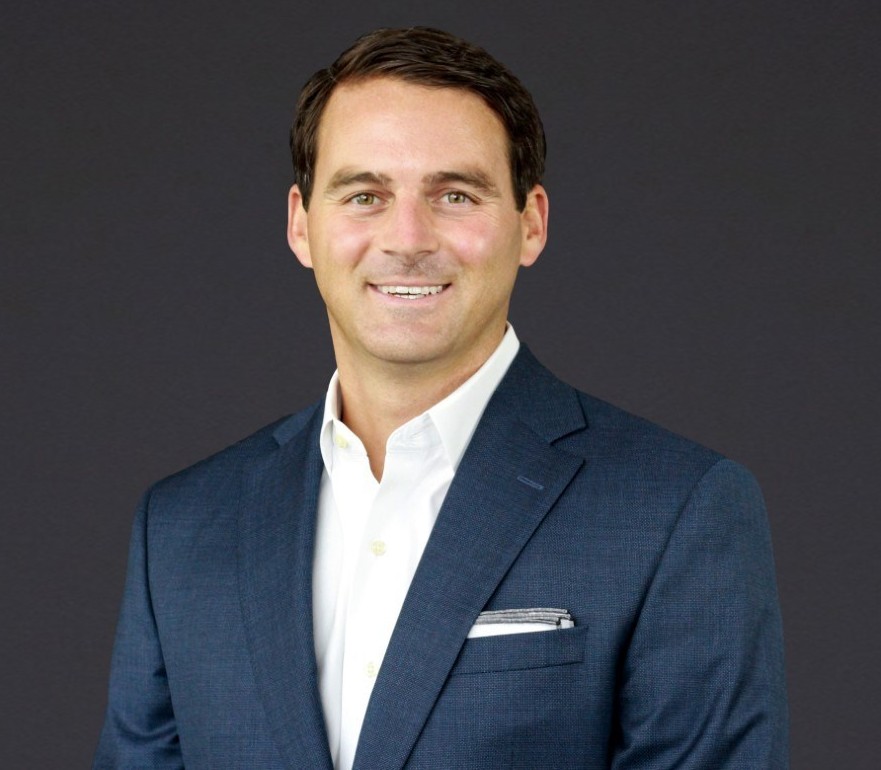
Turnbridge Equities Managing Director, Michael Gazzano.
For residents who have followed the story mostly through the visible evidence of stalled construction, the more practical update came from Michael Gazzano, managing director of Turnbridge Equities and overseer of the company’s West Coast division.
Gazzano said Turnbridge began on-site investigations earlier this year, sending engineers to inspect existing improvements and test the partially built structures. Core samples were sent to laboratories, and the results were encouraging.
“Everything checked out kind of as we had anticipated,” Gazzano told the Council, adding that the structures still have significant structural integrity and can be preserved and reused.
It’s a very important finding because the site is not a blank slate. The next version of the project must account for prior grading, partially built structures, infrastructure investments and the city-owned amenities around it. Turnbridge is now considering protective measures to preserve the buildings until construction resumes, including targeted tarping or selective removal of exposed layers to maintain structural integrity.
The company also installed a dust suppressant across the site, a practical step for surrounding residents and a visible sign of site maintenance. Gazzano said the treatment should last at least 12 months and possibly longer, enough to carry the property toward the anticipated start of construction if approvals proceed as expected.

Turnbridge is working to preserve the existing, partially-built structures on site in case some of them can be utilized in their new plan. For now, they are working on dust mitigation and tarping to mitigate deterioration.
Power is another central issue. Gazzano said Turnbridge has been working with the Imperial Irrigation District and has received a will-serve letter sufficient to power the hotel and most of the first phase of the project. McMillen said city staff have been helping coordinate those discussions.
In terms of design, Turnbridge appears to be moving from broad concepts to project-level details. Gazzano said the design team is expanding quickly, with a wide range of specialized consultants being added for spa, pool and lighting design, among other elements.
The first major public look at the redesigned plan is expected later this year. Gazzano said Turnbridge remains on track to submit a site development permit application by the end of the year, which would send the project through review by the Planning Commission and City Council. If that timetable holds, construction could begin by next summer, he predicted.
The new plan is not a simple revival of the previous concept. In September 2025, the City Council approved an amended development agreement with Turnbridge that included one luxury hotel with about 154 guest rooms, 55,000 square feet of banquet and shared-use facilities, 445 residences, a 40,000-square-foot commercial area, a relocated golf clubhouse closer to Avenue 52 and other public amenities, and a 20,000-square-foot community building.
The residential component is expected to include 29 branded residences north of the hotel with a private clubhouse, 70 condominiums and 293 homes east of the hotel. Some of those homes may operate as short-term vacation rentals, creating potential transient occupancy tax revenue for the city.

La Quinta Mayor Linda Evans.
For La Quinta, that fiscal piece is central. Mayor Linda Evans said the project remains important not only because of the destination it could become, but because of the revenue it is expected to generate.
The city’s goal, she said, is to retain the public value of the park and golf course while integrating those assets into a destination that can generate hotel, property, and sales tax revenue. The revenue provides funding to support strong public safety, park upgrades, road improvements, and overall infrastructure enhancement.
“Our park is still owned by the city of La Quinta, by the way, as is the golf course right now,” Evans said. She said the city is looking forward to seeing how the park, parking, circulation and other public-facing elements are incorporated into the project.
Gazzano said Turnbridge has begun that conversation with the city’s team.
“It was more about integrating that park and not turning our back towards it,” he said, describing the goal as making the private development and public amenities feel as if they had been planned together.
That integration may be one of the most important tests for the next phase. SilverRock has always been more than a private resort site. It is embedded in a public landscape that includes golf, open space, mountain views, city-owned property and residents who have watched the project’s progress and setbacks for years.
The opportunity, if the new plan advances, is for La Quinta to recover the economic development promise that justified the original public investment: a luxury resort destination that generates local jobs, visitor spending and substantial general fund revenue via transient occupancy tax while preserving meaningful public access.
The risk is that the project remains defined by its past. City officials are trying to move beyond that phase without ignoring it.
The bankruptcy process does not erase the complexity of the prior development effort. It does, however, appear to have created a path for the city and the new owner to move forward without the same legal entanglements that had been blocking the project. The unresolved disputes among creditors remain in the bankruptcy process, but the city’s position is that those disputes are separate from Turnbridge’s work to redesign and advance the development.
That distinction is important. For the community, the question is no longer only whether La Quinta can resolve the old SilverRock problem. It is whether the new version can be entitled, financed and built in a market that has become more cautious about large resort and hospitality projects.
Construction costs remain high. Financing remains more expensive than it was during the low-rate years when many resort plans were first imagined. Luxury hospitality projects require confidence in average daily rates, occupancy and year-round demand. Residential components can help support the economics, but they also must fit community expectations and market realities.
Still, the SilverRock site is not an ordinary piece of land. Its location, public golf course, mountain backdrop and long-standing resort entitlements give it a level of regional significance that few development opportunities in Greater Palm Springs can match.
That is why the June 2 update matters. It was not a ribbon-cutting nor a final approval of the new plans. But it made it clear that SilverRock has moved from the courtroom back toward the planning counter.
If Turnbridge submits its site development permit application by the end of the year, residents and local business leaders will get a clearer view of what the next chapter looks like. For now, La Quinta officials are signaling that the project is no longer frozen by the prior developer’s collapse and that the new development team is actively working through the steps needed to restart construction.

Bob Marra is the CEO/Publisher of GPS Business Insider. He has been studying, writing and giving presentations about business, economic and public affairs news and issues and the local economy in the Greater Palm Springs/Coachella Valley region for more than 20 years.