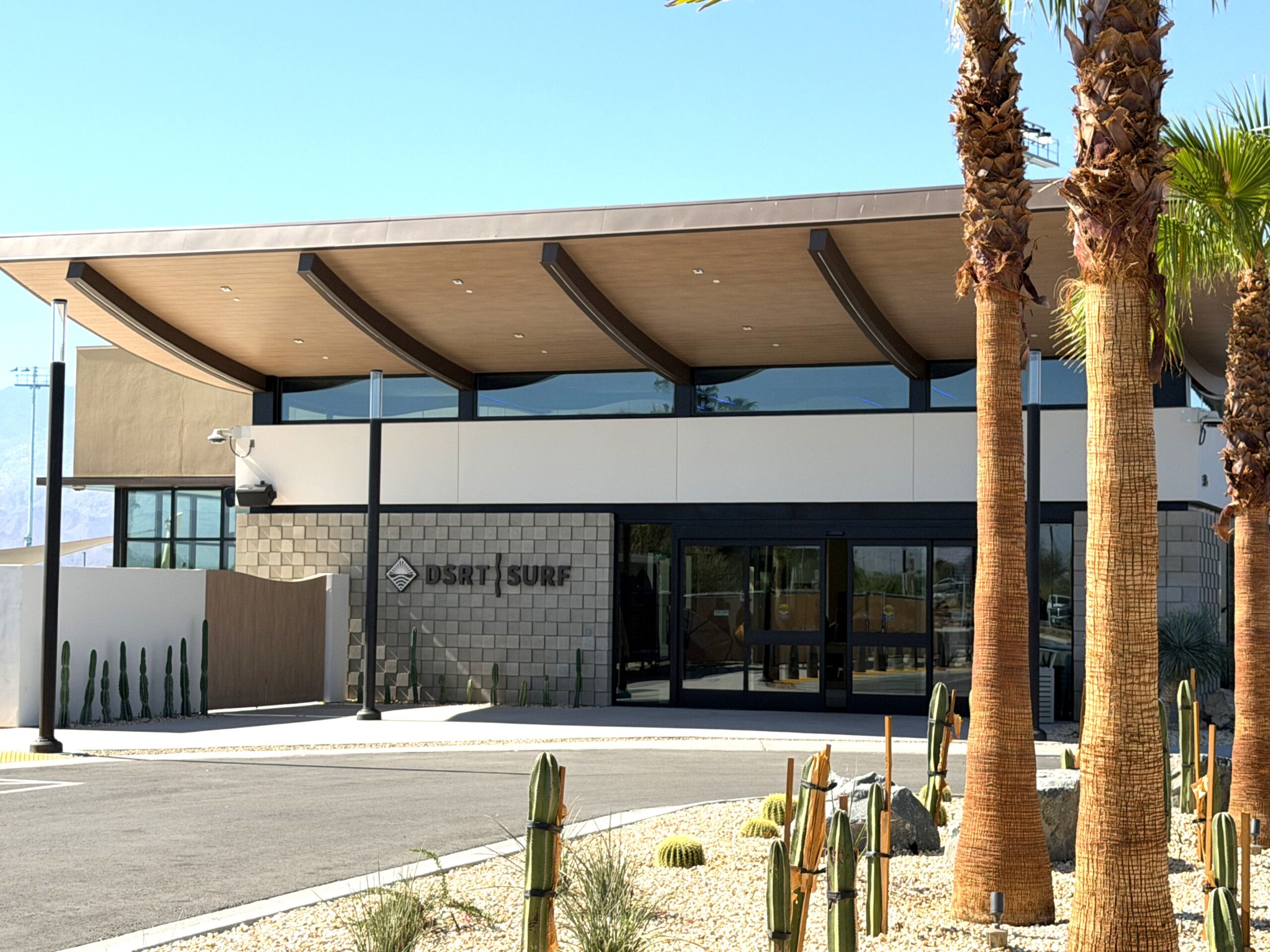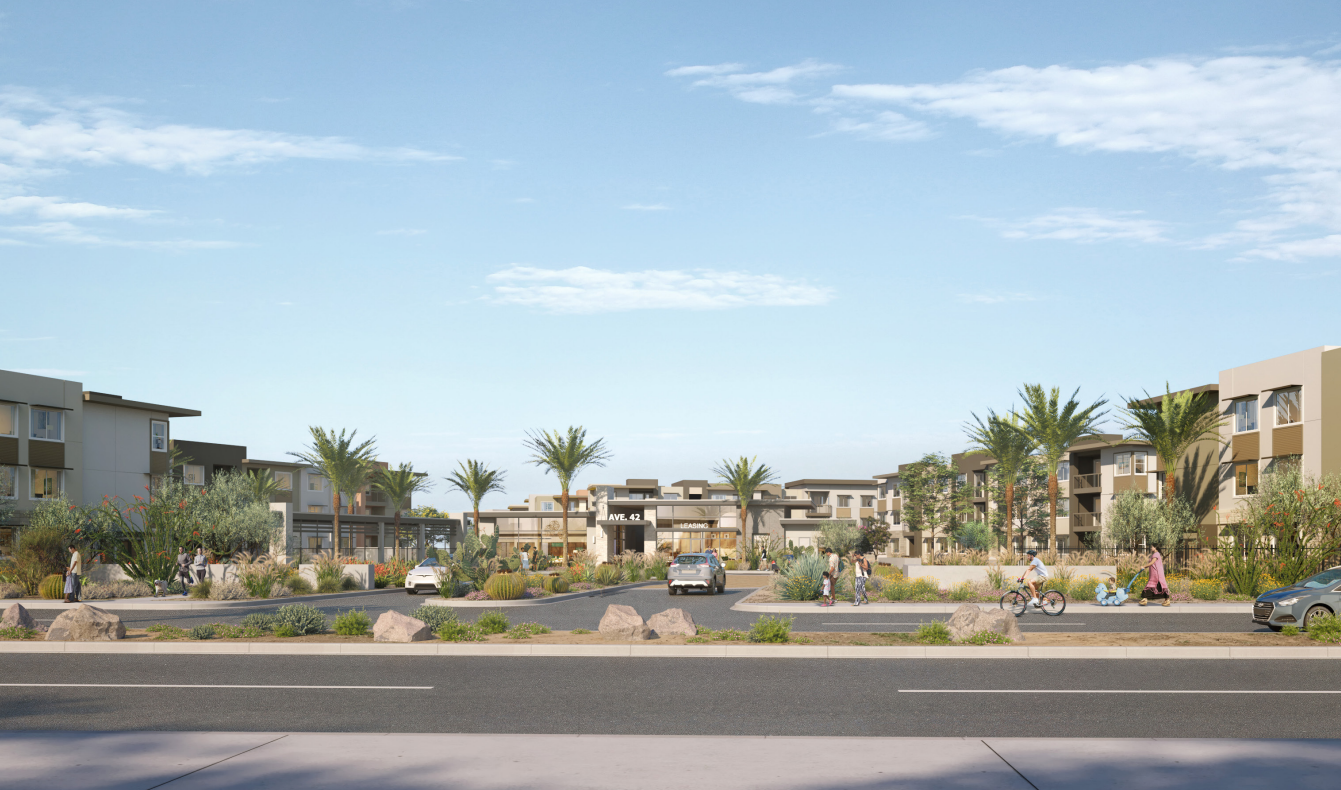
The Coachella Valley’s next phase of growth will be examined from six different vantage points on Oct. 14, when the Desert Valleys Builders Association convenes its Coachella Valley Builders & Developers Town Hall at Agua Caliente Resort Casino Spa Rancho Mirage.
The evening brings together public-sector leadership, private homebuilding, affordable housing, land-use and project development expertise, and regional economic intelligence. The six scheduled speakers are Juan C. Perez, chief operating officer for Riverside County; Bob Marra, CEO and publisher of GPS Business Insider and GPS Market Intel; Brent McManigal of Fennemore; David Yrigoyan, community development director for Shea Homes; Swavic Rutkowski, senior single-family construction manager for the Coachella Valley Housing Coalition; and Douglas Stowell, senior vice president for D.R. Horton Southern California.
That lineup gives the event a broader frame than a conventional builder forum. The issues that determine whether a project moves from concept to occupancy in the Coachella Valley rarely belong to a single organization. Land availability, entitlement timing, environmental review, development fees, utility capacity, transportation infrastructure, financing, construction costs, affordability and market demand all intersect. The Oct. 14 panel puts people who work on several sides of that equation in the same room.
Perez brings the countywide perspective. He is the chief operating officer of the County of Riverside. His career with the county has included senior responsibility for transportation, land management and public works. That background is especially relevant to the eastern Coachella Valley and the unincorporated communities where the county itself is often the planning, permitting and infrastructure authority. It also gives Perez a direct view of how regional growth pressures translate into roads, public facilities, land-use decisions and development costs.
McManigal adds the regulatory and entitlement side. Fennemore describes him as a land-use director in its Inland Empire practice who advises clients on project management, permitting and environmental compliance, including the California Environmental Quality Act. His work spans commercial, industrial and residential projects, placing him at the point where a project’s economics meet the increasingly complex legal and regulatory process required to get it built.
Yrigoyan and Stowell represent two major private homebuilders with active stakes in the valley. Shea Homes continues to market new homes in Indio and is preparing Broadway Cove in Cathedral City, a planned community of about 101 homesites. D.R. Horton is currently selling new homes in several Coachella Valley cities, including Cathedral City, Palm Desert, Indio and La Quinta. Nationally, D.R. Horton identifies itself as the largest U.S. homebuilder by homes closed, giving Stowell a view into how national interest rates, buyer affordability, construction costs and corporate capital decisions filter down to individual Southern California markets.
Rutkowski brings a different but equally important housing model to the discussion. The Coachella Valley Housing Coalition says it has built more than 4,000 multifamily and single-family residences since its founding and operates a large portfolio of affordable rental housing while also helping lower-income families achieve homeownership. The organization’s work illustrates how affordable housing depends on a layered financing and development structure that can include local approvals, state and federal programs, tax credits, infrastructure support and long development timelines.
Those challenges are not theoretical. In its 2024-25 annual report, the Housing Coalition cited rising construction material costs, delays in funding commitments and longer financing timelines among the obstacles facing affordable housing development. At the same time, the state continues to direct money toward new Coachella Valley housing. In May, the California Department of Housing and Community Development highlighted the 53-unit Casa Sienna senior affordable housing project in Coachella as part of a broader round of state-supported development.

Marra’s role on the panel adds the market side of the equation. Through GPS Business Insider and the recently launched GPS Market Intel, his work tracks the region’s economy, development pipeline, housing production, commercial real estate, population trends and business activity. That perspective can connect individual development decisions to the larger question of what the valley’s population, employment base, household incomes and buyer demand can actually support.
The broader timing of the town hall is significant because the Coachella Valley is not facing a single development story. Different parts of the region are moving at different speeds and toward different products. The east valley continues to absorb large-scale residential growth and infrastructure investment. Mature resort cities are weighing infill, redevelopment and housing on increasingly constrained sites. Affordable-housing developers are working through a financing environment that can require years of assembling capital. At the same time, private builders are adjusting product, pricing and incentives to meet buyers whose purchasing power remains sensitive to mortgage rates and monthly payments.
Infrastructure has become part of that housing conversation as well. In fast-growing areas, the ability to add homes and commercial development can depend on the timing and cost of roads, sewer, water, power and other public facilities. Those systems are generally planned and financed by different agencies, which means a project can be entitled on paper while still facing practical constraints before construction can begin. For developers, those constraints affect land value, phasing and carrying costs. For cities and the county, they affect how quickly planned growth can produce housing, jobs and tax base.
The panel’s mix of public, private and nonprofit participants also creates an opening to examine a question that often gets flattened in the regional development debate: what does it mean to produce enough housing when the market needs several different kinds at the same time? A for-sale subdivision, an active-adult community, a workforce apartment project and a deeply affordable development may all be responding to housing demand, but they rely on different economics, different financing sources and different approval pathways.
The Desert Valleys Builders Association represents building-industry professionals across eastern Riverside and Imperial counties. Its membership includes builders, engineers, architects, utilities, financial institutions, contractors, legal and consulting firms, and public agencies. The organization also maintains a legislative forum and other committees focused on issues affecting construction and development, making the town hall a natural extension of its role as a convening point for the industry.
The Oct. 14 program is scheduled from 5 to 8 p.m. at Agua Caliente Resort Casino Spa, 32-250 Bob Hope Drive in Rancho Mirage. Networking and a no-host bar are scheduled from 5 to 6 p.m., followed by dinner at 6 p.m. and the speaker program from 6:15 to 7:45 p.m.
Registration is required by Oct. 10. Registration is available through the Desert Valleys Builders Association website.